Services

Industries

Company

Piping Design: The Backbone of Industrial Systems

Piping Design: The Backbone of Industrial Systems

(01)

Piping design is one of the most critical elements of industrial engineering, directly influencing safety, reliability, and operational efficiency. Across sectors such as oil & gas, power, and manufacturing, well-engineered piping systems ensure smooth process flow and long-term asset performance.

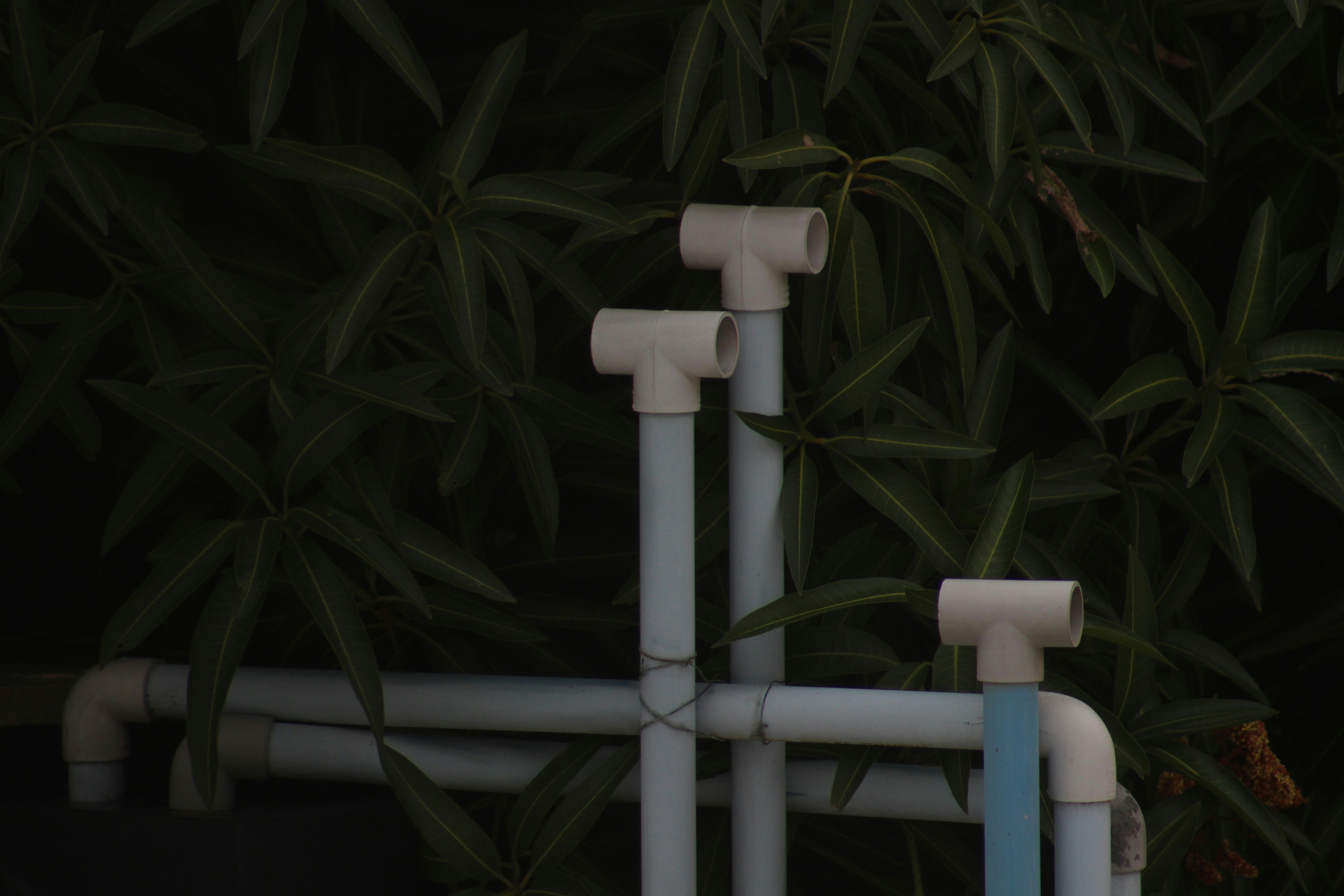
A close up of pipes and pipes in front of a tree

Why Piping Design Matters

In industrial facilities, piping connects equipment, transports fluids, and enables processes to function seamlessly. Despite its importance, piping design is often underestimated. Poor design decisions can lead to operational inefficiencies, safety risks, and costly rework, while well-planned piping systems support stable operations and easier maintenance.

Why Piping Design Matters

In industrial facilities, piping connects equipment, transports fluids, and enables processes to function seamlessly. Despite its importance, piping design is often underestimated. Poor design decisions can lead to operational inefficiencies, safety risks, and costly rework, while well-planned piping systems support stable operations and easier maintenance.

Why Piping Design Matters

In industrial facilities, piping connects equipment, transports fluids, and enables processes to function seamlessly. Despite its importance, piping design is often underestimated. Poor design decisions can lead to operational inefficiencies, safety risks, and costly rework, while well-planned piping systems support stable operations and easier maintenance.

Material Selection for Operating Conditions

Selecting the right piping material is foundational to system reliability. Material choice depends on the nature of the fluid, operating temperature, pressure, and environmental exposure. Carbon steel, stainless steel, copper, PVC, and specialized alloys are selected based on performance requirements, corrosion resistance, and lifecycle considerations.

Material Selection for Operating Conditions

Selecting the right piping material is foundational to system reliability. Material choice depends on the nature of the fluid, operating temperature, pressure, and environmental exposure. Carbon steel, stainless steel, copper, PVC, and specialized alloys are selected based on performance requirements, corrosion resistance, and lifecycle considerations.

Material Selection for Operating Conditions

Selecting the right piping material is foundational to system reliability. Material choice depends on the nature of the fluid, operating temperature, pressure, and environmental exposure. Carbon steel, stainless steel, copper, PVC, and specialized alloys are selected based on performance requirements, corrosion resistance, and lifecycle considerations.

Managing Stress and System Behavior

Piping systems are continuously subjected to thermal expansion, pressure fluctuations, vibration, and, in some regions, seismic forces. Stress analysis ensures the system can withstand these loads without failure. Proper flexibility, support placement, and expansion management are essential to maintaining mechanical integrity under all operating conditions.

Managing Stress and System Behavior

Piping systems are continuously subjected to thermal expansion, pressure fluctuations, vibration, and, in some regions, seismic forces. Stress analysis ensures the system can withstand these loads without failure. Proper flexibility, support placement, and expansion management are essential to maintaining mechanical integrity under all operating conditions.

Managing Stress and System Behavior

Piping systems are continuously subjected to thermal expansion, pressure fluctuations, vibration, and, in some regions, seismic forces. Stress analysis ensures the system can withstand these loads without failure. Proper flexibility, support placement, and expansion management are essential to maintaining mechanical integrity under all operating conditions.

Compliance with Codes and Standards

Adherence to industry codes and standards is non-negotiable in piping design. Standards such as ASME B31.3 and ASME B31.1 define design limits, material requirements, and testing procedures. Staying aligned with applicable regulations ensures safety, compliance, and long-term system performance.

Compliance with Codes and Standards

Adherence to industry codes and standards is non-negotiable in piping design. Standards such as ASME B31.3 and ASME B31.1 define design limits, material requirements, and testing procedures. Staying aligned with applicable regulations ensures safety, compliance, and long-term system performance.

Compliance with Codes and Standards

Adherence to industry codes and standards is non-negotiable in piping design. Standards such as ASME B31.3 and ASME B31.1 define design limits, material requirements, and testing procedures. Staying aligned with applicable regulations ensures safety, compliance, and long-term system performance.

Routing, Layout, and Spatial Coordination

Effective piping layout balances process efficiency with spatial constraints. Designers must route lines through congested plant areas while avoiding clashes with structural, electrical, and instrumentation systems. Good routing improves accessibility, simplifies construction, and supports future modifications or expansions.

Routing, Layout, and Spatial Coordination

Effective piping layout balances process efficiency with spatial constraints. Designers must route lines through congested plant areas while avoiding clashes with structural, electrical, and instrumentation systems. Good routing improves accessibility, simplifies construction, and supports future modifications or expansions.

Routing, Layout, and Spatial Coordination

Effective piping layout balances process efficiency with spatial constraints. Designers must route lines through congested plant areas while avoiding clashes with structural, electrical, and instrumentation systems. Good routing improves accessibility, simplifies construction, and supports future modifications or expansions.

Designing for Inspection and Maintenance

A well-designed piping system considers not only installation but also long-term operation. Access for inspection, maintenance, and future upgrades is critical. Thoughtful design reduces downtime, improves safety during maintenance activities, and extends asset life.

Designing for Inspection and Maintenance

A well-designed piping system considers not only installation but also long-term operation. Access for inspection, maintenance, and future upgrades is critical. Thoughtful design reduces downtime, improves safety during maintenance activities, and extends asset life.

Designing for Inspection and Maintenance

A well-designed piping system considers not only installation but also long-term operation. Access for inspection, maintenance, and future upgrades is critical. Thoughtful design reduces downtime, improves safety during maintenance activities, and extends asset life.

Engineering Systems That Perform Over Time

Successful piping design requires technical expertise, foresight, and close coordination across disciplines. By integrating sound engineering principles with practical execution considerations, piping systems become reliable enablers of industrial performance rather than sources of operational risk.

Engineering Systems That Perform Over Time

Successful piping design requires technical expertise, foresight, and close coordination across disciplines. By integrating sound engineering principles with practical execution considerations, piping systems become reliable enablers of industrial performance rather than sources of operational risk.

Engineering Systems That Perform Over Time

Successful piping design requires technical expertise, foresight, and close coordination across disciplines. By integrating sound engineering principles with practical execution considerations, piping systems become reliable enablers of industrial performance rather than sources of operational risk.

Explore More Insights

Explore More Insights

Explore More Insights

Have a similar project in mind? Let us know!

(04)

aerial view of industrial factory

Have a similar project in mind? Let us know!

(04)

aerial view of industrial factory

Have a similar project in mind? Let us know!

(04)

aerial view of industrial factory
black and orange power tool

Take the Next Step Toward Engineering Excellence.

From 3D scanning to ongoing asset management - We deliver end-to-end solutions that reduce costs and improve operational efficiency

Contact Us

+91 84481 79046

+971 58556 6837

info@sixdengineering.com

Connect

© 2024 SIXD India. All rights reserved

black and orange power tool

Take the Next Step Toward Engineering Excellence.

From 3D scanning to ongoing asset management - We deliver end-to-end solutions that reduce costs and improve operational efficiency

© 2024 SIXD India. All rights reserved

black and orange power tool

Take the Next Step Toward Engineering Excellence.

From 3D scanning to ongoing asset management - We deliver end-to-end solutions that reduce costs and improve operational efficiency

© 2024 SIXD India. All rights reserved

Piping Design: The Backbone of Industrial Systems

Piping Design: The Backbone of Industrial Systems

(01)

Piping design is one of the most critical elements of industrial engineering, directly influencing safety, reliability, and operational efficiency. Across sectors such as oil & gas, power, and manufacturing, well-engineered piping systems ensure smooth process flow and long-term asset performance.

A close up of pipes and pipes in front of a tree

Why Piping Design Matters

In industrial facilities, piping connects equipment, transports fluids, and enables processes to function seamlessly. Despite its importance, piping design is often underestimated. Poor design decisions can lead to operational inefficiencies, safety risks, and costly rework, while well-planned piping systems support stable operations and easier maintenance.

Why Piping Design Matters

In industrial facilities, piping connects equipment, transports fluids, and enables processes to function seamlessly. Despite its importance, piping design is often underestimated. Poor design decisions can lead to operational inefficiencies, safety risks, and costly rework, while well-planned piping systems support stable operations and easier maintenance.

Why Piping Design Matters

In industrial facilities, piping connects equipment, transports fluids, and enables processes to function seamlessly. Despite its importance, piping design is often underestimated. Poor design decisions can lead to operational inefficiencies, safety risks, and costly rework, while well-planned piping systems support stable operations and easier maintenance.

Material Selection for Operating Conditions

Selecting the right piping material is foundational to system reliability. Material choice depends on the nature of the fluid, operating temperature, pressure, and environmental exposure. Carbon steel, stainless steel, copper, PVC, and specialized alloys are selected based on performance requirements, corrosion resistance, and lifecycle considerations.

Material Selection for Operating Conditions

Selecting the right piping material is foundational to system reliability. Material choice depends on the nature of the fluid, operating temperature, pressure, and environmental exposure. Carbon steel, stainless steel, copper, PVC, and specialized alloys are selected based on performance requirements, corrosion resistance, and lifecycle considerations.

Material Selection for Operating Conditions

Selecting the right piping material is foundational to system reliability. Material choice depends on the nature of the fluid, operating temperature, pressure, and environmental exposure. Carbon steel, stainless steel, copper, PVC, and specialized alloys are selected based on performance requirements, corrosion resistance, and lifecycle considerations.

Managing Stress and System Behavior

Piping systems are continuously subjected to thermal expansion, pressure fluctuations, vibration, and, in some regions, seismic forces. Stress analysis ensures the system can withstand these loads without failure. Proper flexibility, support placement, and expansion management are essential to maintaining mechanical integrity under all operating conditions.

Managing Stress and System Behavior

Piping systems are continuously subjected to thermal expansion, pressure fluctuations, vibration, and, in some regions, seismic forces. Stress analysis ensures the system can withstand these loads without failure. Proper flexibility, support placement, and expansion management are essential to maintaining mechanical integrity under all operating conditions.

Managing Stress and System Behavior

Piping systems are continuously subjected to thermal expansion, pressure fluctuations, vibration, and, in some regions, seismic forces. Stress analysis ensures the system can withstand these loads without failure. Proper flexibility, support placement, and expansion management are essential to maintaining mechanical integrity under all operating conditions.

Compliance with Codes and Standards

Adherence to industry codes and standards is non-negotiable in piping design. Standards such as ASME B31.3 and ASME B31.1 define design limits, material requirements, and testing procedures. Staying aligned with applicable regulations ensures safety, compliance, and long-term system performance.

Compliance with Codes and Standards

Adherence to industry codes and standards is non-negotiable in piping design. Standards such as ASME B31.3 and ASME B31.1 define design limits, material requirements, and testing procedures. Staying aligned with applicable regulations ensures safety, compliance, and long-term system performance.

Compliance with Codes and Standards

Adherence to industry codes and standards is non-negotiable in piping design. Standards such as ASME B31.3 and ASME B31.1 define design limits, material requirements, and testing procedures. Staying aligned with applicable regulations ensures safety, compliance, and long-term system performance.

Routing, Layout, and Spatial Coordination

Effective piping layout balances process efficiency with spatial constraints. Designers must route lines through congested plant areas while avoiding clashes with structural, electrical, and instrumentation systems. Good routing improves accessibility, simplifies construction, and supports future modifications or expansions.

Routing, Layout, and Spatial Coordination

Effective piping layout balances process efficiency with spatial constraints. Designers must route lines through congested plant areas while avoiding clashes with structural, electrical, and instrumentation systems. Good routing improves accessibility, simplifies construction, and supports future modifications or expansions.

Routing, Layout, and Spatial Coordination

Effective piping layout balances process efficiency with spatial constraints. Designers must route lines through congested plant areas while avoiding clashes with structural, electrical, and instrumentation systems. Good routing improves accessibility, simplifies construction, and supports future modifications or expansions.

Designing for Inspection and Maintenance

A well-designed piping system considers not only installation but also long-term operation. Access for inspection, maintenance, and future upgrades is critical. Thoughtful design reduces downtime, improves safety during maintenance activities, and extends asset life.

Designing for Inspection and Maintenance

A well-designed piping system considers not only installation but also long-term operation. Access for inspection, maintenance, and future upgrades is critical. Thoughtful design reduces downtime, improves safety during maintenance activities, and extends asset life.

Designing for Inspection and Maintenance

A well-designed piping system considers not only installation but also long-term operation. Access for inspection, maintenance, and future upgrades is critical. Thoughtful design reduces downtime, improves safety during maintenance activities, and extends asset life.

Engineering Systems That Perform Over Time

Successful piping design requires technical expertise, foresight, and close coordination across disciplines. By integrating sound engineering principles with practical execution considerations, piping systems become reliable enablers of industrial performance rather than sources of operational risk.
Engineering Systems That Perform Over Time

Successful piping design requires technical expertise, foresight, and close coordination across disciplines. By integrating sound engineering principles with practical execution considerations, piping systems become reliable enablers of industrial performance rather than sources of operational risk.
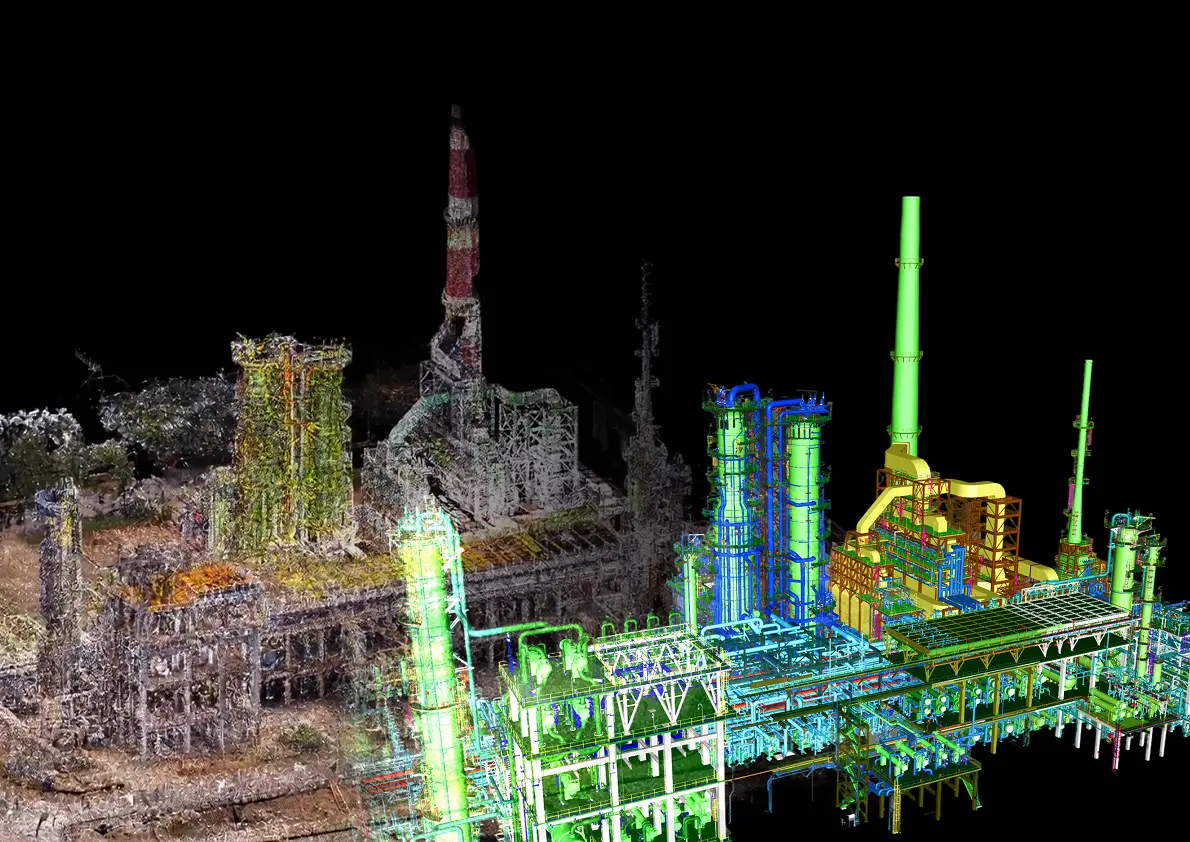
Engineering Systems That Perform Over Time

Successful piping design requires technical expertise, foresight, and close coordination across disciplines. By integrating sound engineering principles with practical execution considerations, piping systems become reliable enablers of industrial performance rather than sources of operational risk.

Explore More Insights

Explore More Insights

Explore More Insights

Have a similar project in mind? Let us know!

(04)

aerial view of industrial factory

Have a similar project in mind? Let us know!

(04)

aerial view of industrial factory

Have a similar project in mind? Let us know!

(04)

aerial view of industrial factory
black and orange power tool

Take the Next Step Toward Engineering Excellence.

From 3D scanning to ongoing asset management - We deliver end-to-end solutions that reduce costs and improve operational efficiency

Contact Us

+91 84481 79046

+971 58556 6837

info@sixdengineering.com

Connect

© 2024 SIXD India. All rights reserved

black and orange power tool

Take the Next Step Toward Engineering Excellence.

From 3D scanning to ongoing asset management - We deliver end-to-end solutions that reduce costs and improve operational efficiency

© 2024 SIXD India. All rights reserved

black and orange power tool

Take the Next Step Toward Engineering Excellence.

From 3D scanning to ongoing asset management - We deliver end-to-end solutions that reduce costs and improve operational efficiency

© 2024 SIXD India. All rights reserved