Services

Industries

Company

INSIGHTS

Re-Engineering a Critical Generator Rotor

Re-Engineering a Critical Generator Rotor

(01)

In power generation facilities, rotating equipment such as generator rotors are mission-critical assets. Any dimensional deviation or lack of documentation can significantly impact performance, reliability, and maintenance planning. Our team recently completed the reverse engineering of a generator rotor at a thermal power plant, enabling the client to restore engineering control over a vital component without reliance on original OEM documentation.

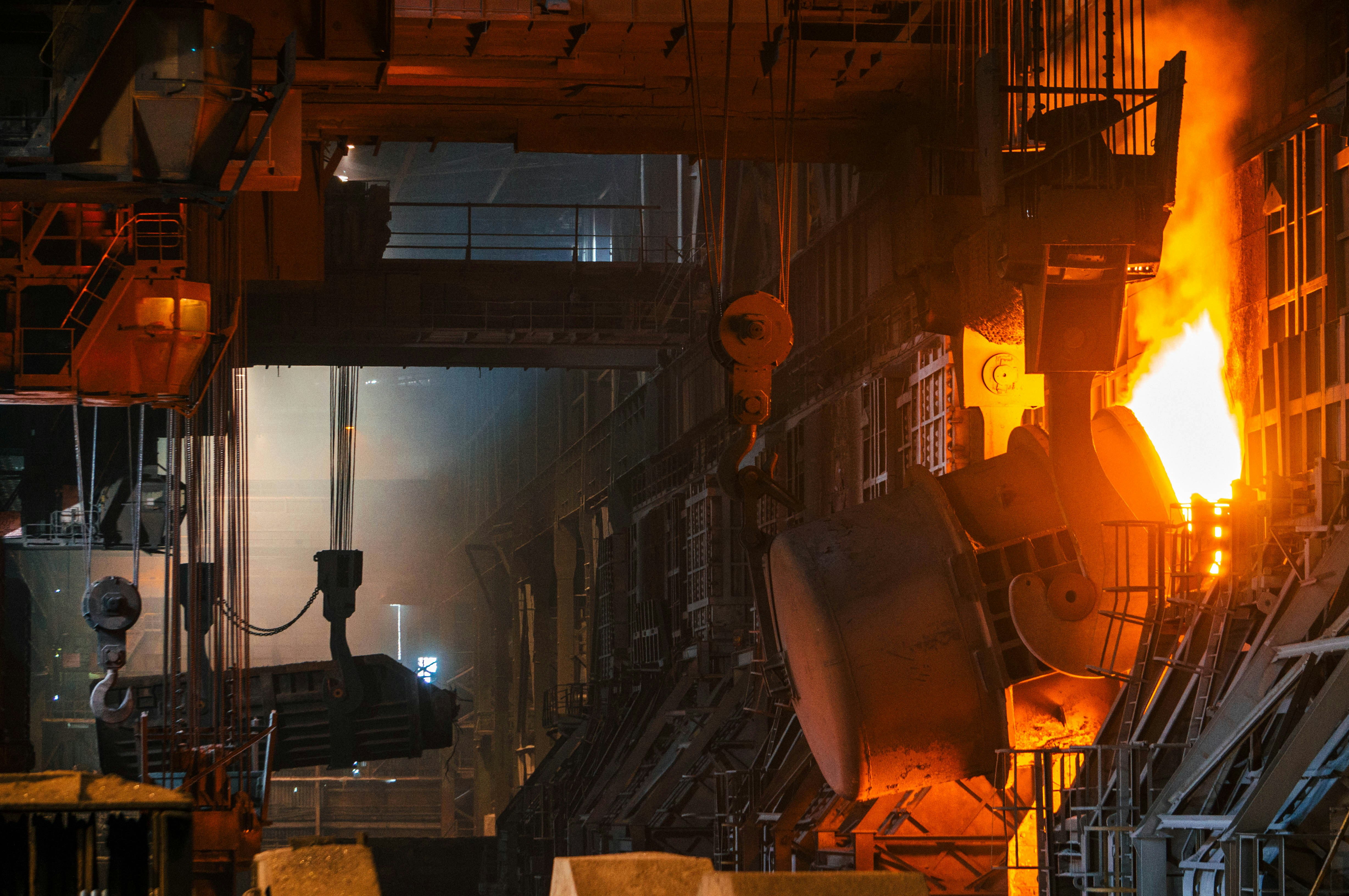
a factory with a lot of steel being made

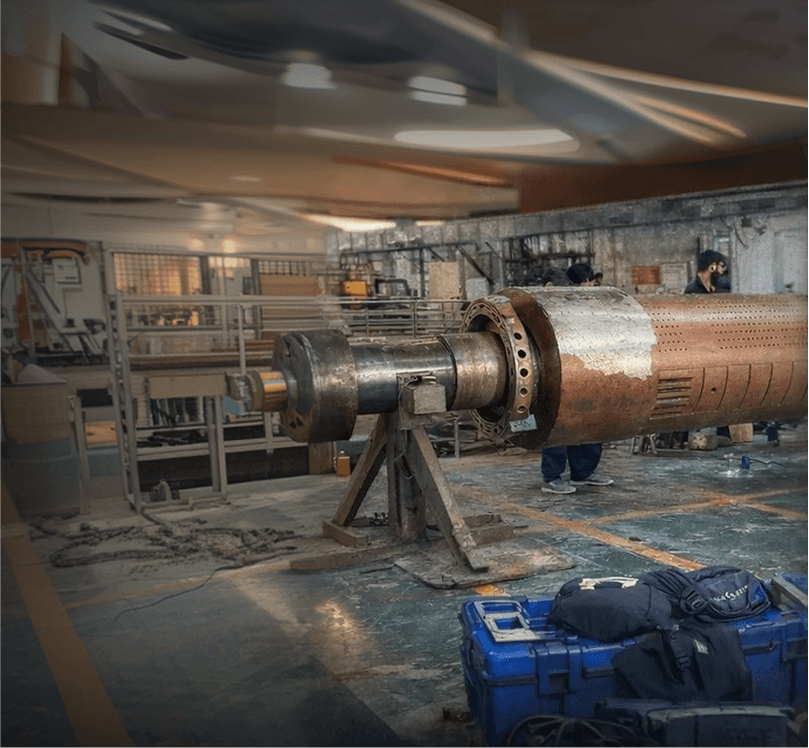
On-Site Measurement & Geometry Capture

The project commenced with detailed on-site dimensional measurement and geometry acquisition of the existing rotor assembly. Every functional surface, interface, and critical dimension was carefully recorded to ensure complete geometric representation.

Using advanced reverse engineering workflows, the captured data was processed to maintain:

  • Dimensional accuracy

  • Geometric consistency

  • Functional alignment integrity

This ensured that the digital output precisely reflected real-world conditions.

On-Site Measurement & Geometry Capture

The project commenced with detailed on-site dimensional measurement and geometry acquisition of the existing rotor assembly. Every functional surface, interface, and critical dimension was carefully recorded to ensure complete geometric representation.

Using advanced reverse engineering workflows, the captured data was processed to maintain:

  • Dimensional accuracy

  • Geometric consistency

  • Functional alignment integrity

This ensured that the digital output precisely reflected real-world conditions.

On-Site Measurement & Geometry Capture

The project commenced with detailed on-site dimensional measurement and geometry acquisition of the existing rotor assembly. Every functional surface, interface, and critical dimension was carefully recorded to ensure complete geometric representation.

Using advanced reverse engineering workflows, the captured data was processed to maintain:

  • Dimensional accuracy

  • Geometric consistency

  • Functional alignment integrity

This ensured that the digital output precisely reflected real-world conditions.

High-Accuracy 3D CAD Development

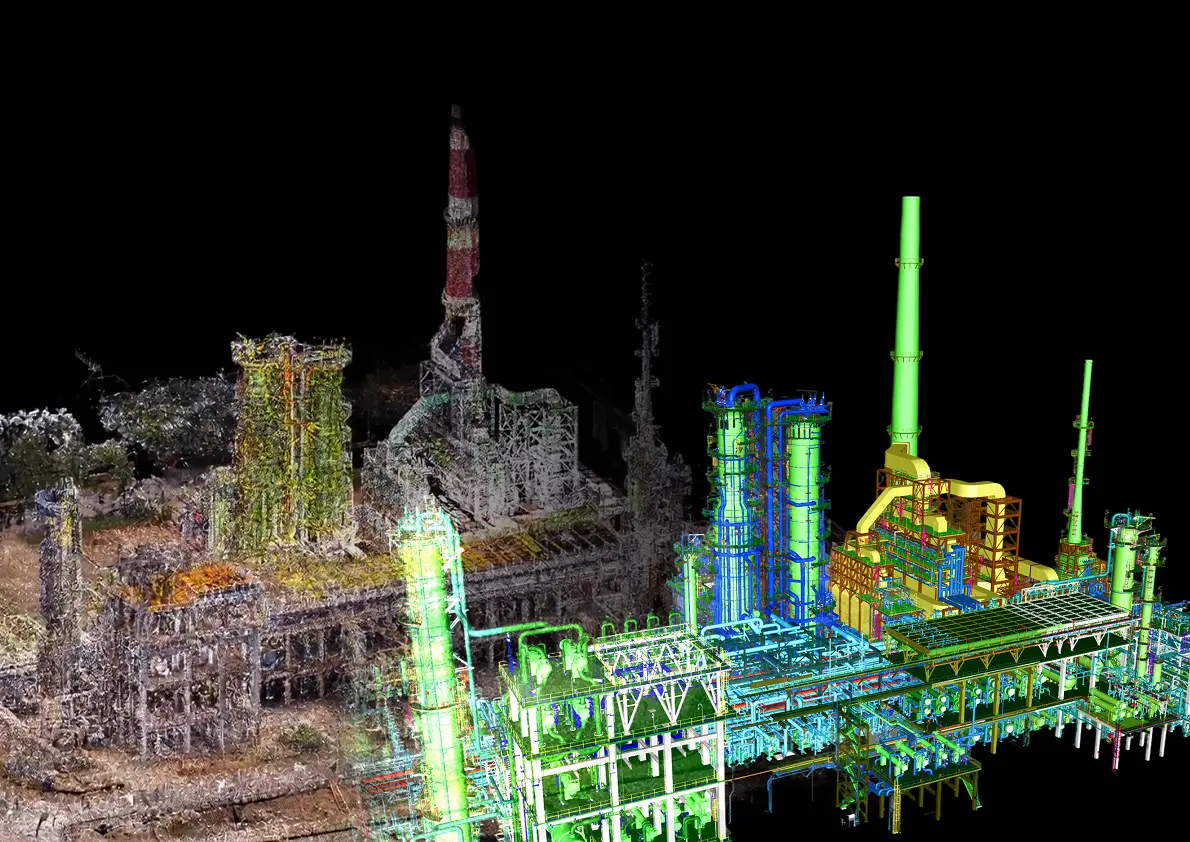
Based on the validated measurement data, our engineering team developed a fully detailed 3D CAD model of the rotor. The model was built to preserve:

  • Critical tolerances

  • Rotational symmetry

  • Interface geometry

  • Assembly compatibility

This digital twin now serves as an authoritative engineering reference for future maintenance and upgrades.

High-Accuracy 3D CAD Development

Based on the validated measurement data, our engineering team developed a fully detailed 3D CAD model of the rotor. The model was built to preserve:

  • Critical tolerances

  • Rotational symmetry

  • Interface geometry

  • Assembly compatibility

This digital twin now serves as an authoritative engineering reference for future maintenance and upgrades.

High-Accuracy 3D CAD Development

Based on the validated measurement data, our engineering team developed a fully detailed 3D CAD model of the rotor. The model was built to preserve:

  • Critical tolerances

  • Rotational symmetry

  • Interface geometry

  • Assembly compatibility

This digital twin now serves as an authoritative engineering reference for future maintenance and upgrades.

Automated Manufacturing & Fabrication Drawings

From the finalized 3D model, we generated automated manufacturing-ready drawings that enabled:

• Refurbishment and part replacement
• Accurate fabrication without OEM drawings
• Long-term maintenance and lifecycle support

These deliverables ensure repeatability in fabrication while maintaining strict quality standards.

Automated Manufacturing & Fabrication Drawings

From the finalized 3D model, we generated automated manufacturing-ready drawings that enabled:

• Refurbishment and part replacement
• Accurate fabrication without OEM drawings
• Long-term maintenance and lifecycle support

These deliverables ensure repeatability in fabrication while maintaining strict quality standards.

Automated Manufacturing & Fabrication Drawings

From the finalized 3D model, we generated automated manufacturing-ready drawings that enabled:

• Refurbishment and part replacement
• Accurate fabrication without OEM drawings
• Long-term maintenance and lifecycle support

These deliverables ensure repeatability in fabrication while maintaining strict quality standards.

Engineering Impact & Client Value

By reverse engineering the generator rotor, the client successfully:

  • Eliminated dependency on original OEM documentation

  • Reduced engineering risk during refurbishment

  • Enabled cost-effective and reliable component reproduction

  • Strengthened long-term asset lifecycle management

This structured reverse engineering approach provided both immediate operational support and sustainable engineering independence.

Engineering Impact & Client Value

By reverse engineering the generator rotor, the client successfully:

  • Eliminated dependency on original OEM documentation

  • Reduced engineering risk during refurbishment

  • Enabled cost-effective and reliable component reproduction

  • Strengthened long-term asset lifecycle management

This structured reverse engineering approach provided both immediate operational support and sustainable engineering independence.

Engineering Impact & Client Value

By reverse engineering the generator rotor, the client successfully:

  • Eliminated dependency on original OEM documentation

  • Reduced engineering risk during refurbishment

  • Enabled cost-effective and reliable component reproduction

  • Strengthened long-term asset lifecycle management

This structured reverse engineering approach provided both immediate operational support and sustainable engineering independence.

Software & Tools Utilized

The project was executed using advanced reverse engineering software tools:

  • Geomagic Design X

  • SolidWorks

These platforms enabled precise scan-to-CAD workflows, parametric modeling, and production-ready documentation.

Software & Tools Utilized

The project was executed using advanced reverse engineering software tools:

  • Geomagic Design X

  • SolidWorks

These platforms enabled precise scan-to-CAD workflows, parametric modeling, and production-ready documentation.

Software & Tools Utilized

The project was executed using advanced reverse engineering software tools:

  • Geomagic Design X

  • SolidWorks

These platforms enabled precise scan-to-CAD workflows, parametric modeling, and production-ready documentation.

Conclusion

Re-engineering critical rotating equipment demands precision, engineering discipline, and digital accuracy. This successful rotor reverse engineering project demonstrates how structured measurement, advanced modeling, and automated documentation can restore control over essential assets — ensuring reliability, repeatability, and long-term operational excellence in power generation environments.

Conclusion

Re-engineering critical rotating equipment demands precision, engineering discipline, and digital accuracy. This successful rotor reverse engineering project demonstrates how structured measurement, advanced modeling, and automated documentation can restore control over essential assets — ensuring reliability, repeatability, and long-term operational excellence in power generation environments.

Conclusion

Re-engineering critical rotating equipment demands precision, engineering discipline, and digital accuracy. This successful rotor reverse engineering project demonstrates how structured measurement, advanced modeling, and automated documentation can restore control over essential assets — ensuring reliability, repeatability, and long-term operational excellence in power generation environments.

Explore More Insights

Explore More Insights

Explore More Insights

Have a similar project in mind? Let us know!

(04)

aerial view of industrial factory

Have a similar project in mind? Let us know!

(04)

aerial view of industrial factory

Have a similar project in mind? Let us know!

(04)

aerial view of industrial factory
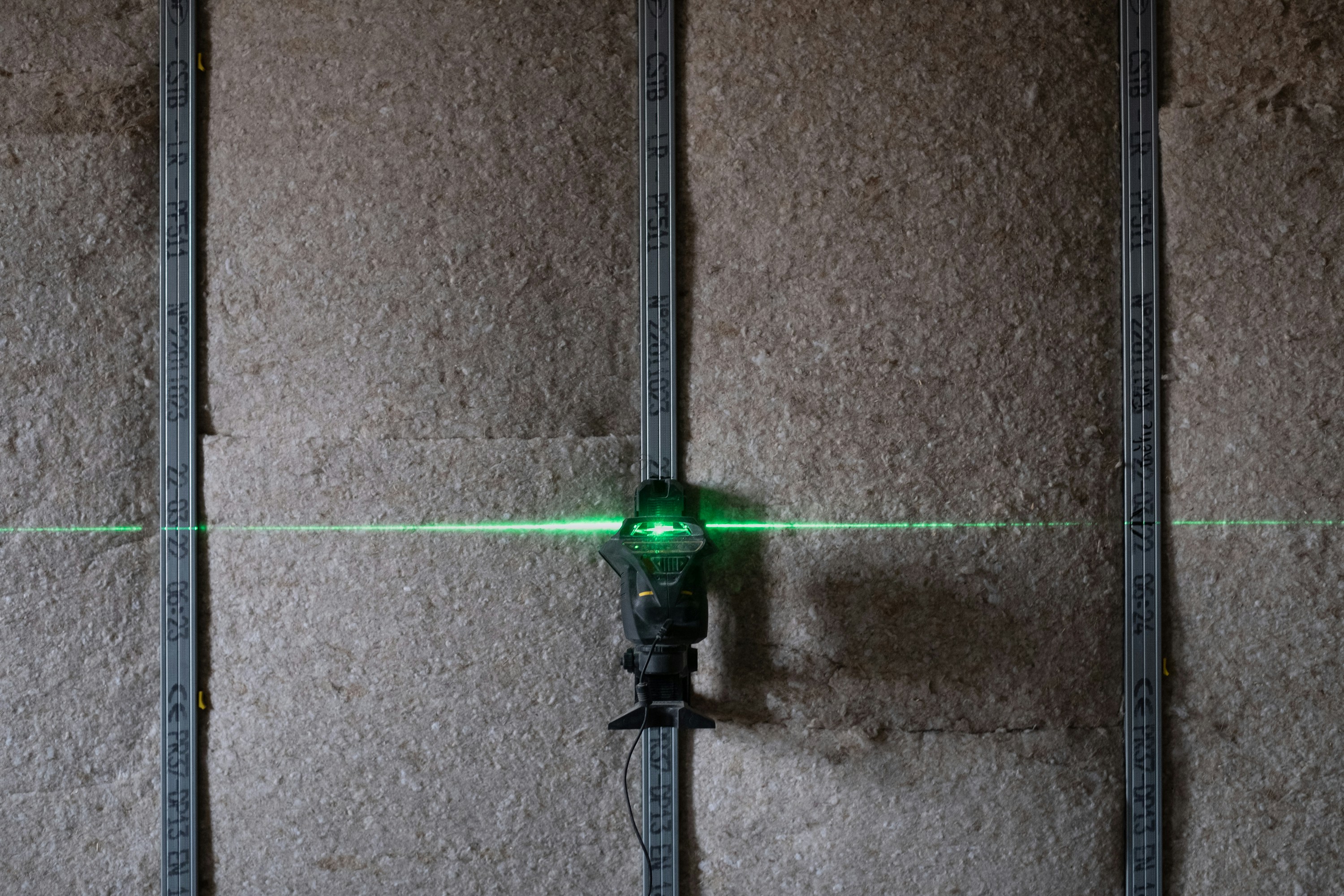
black and orange power tool

Take the Next Step Toward Engineering Excellence.

From 3D scanning to ongoing asset management - We deliver end-to-end solutions that reduce costs and improve operational efficiency

Contact Us

+91 84481 79046

+971 58556 6837

info@sixdengineering.com

Connect

© 2026 SixD Engineering. All rights reserved

black and orange power tool

Take the Next Step Toward Engineering Excellence.

From 3D scanning to ongoing asset management - We deliver end-to-end solutions that reduce costs and improve operational efficiency

© 2026 SixD Engineering. All rights reserved

black and orange power tool

Take the Next Step Toward Engineering Excellence.

From 3D scanning to ongoing asset management - We deliver end-to-end solutions that reduce costs and improve operational efficiency

© 2026 SixD Engineering. All rights reserved

INSIGHTS

Re-Engineering a Critical Generator Rotor

Re-Engineering a Critical Generator Rotor

(01)

In power generation facilities, rotating equipment such as generator rotors are mission-critical assets. Any dimensional deviation or lack of documentation can significantly impact performance, reliability, and maintenance planning. Our team recently completed the reverse engineering of a generator rotor at a thermal power plant, enabling the client to restore engineering control over a vital component without reliance on original OEM documentation.

a factory with a lot of steel being made

On-Site Measurement & Geometry Capture

The project commenced with detailed on-site dimensional measurement and geometry acquisition of the existing rotor assembly. Every functional surface, interface, and critical dimension was carefully recorded to ensure complete geometric representation.

Using advanced reverse engineering workflows, the captured data was processed to maintain:

  • Dimensional accuracy

  • Geometric consistency

  • Functional alignment integrity

This ensured that the digital output precisely reflected real-world conditions.

On-Site Measurement & Geometry Capture

The project commenced with detailed on-site dimensional measurement and geometry acquisition of the existing rotor assembly. Every functional surface, interface, and critical dimension was carefully recorded to ensure complete geometric representation.

Using advanced reverse engineering workflows, the captured data was processed to maintain:

  • Dimensional accuracy

  • Geometric consistency

  • Functional alignment integrity

This ensured that the digital output precisely reflected real-world conditions.

On-Site Measurement & Geometry Capture

The project commenced with detailed on-site dimensional measurement and geometry acquisition of the existing rotor assembly. Every functional surface, interface, and critical dimension was carefully recorded to ensure complete geometric representation.

Using advanced reverse engineering workflows, the captured data was processed to maintain:

  • Dimensional accuracy

  • Geometric consistency

  • Functional alignment integrity

This ensured that the digital output precisely reflected real-world conditions.

High-Accuracy 3D CAD Development

Based on the validated measurement data, our engineering team developed a fully detailed 3D CAD model of the rotor. The model was built to preserve:

  • Critical tolerances

  • Rotational symmetry

  • Interface geometry

  • Assembly compatibility

This digital twin now serves as an authoritative engineering reference for future maintenance and upgrades.

High-Accuracy 3D CAD Development

Based on the validated measurement data, our engineering team developed a fully detailed 3D CAD model of the rotor. The model was built to preserve:

  • Critical tolerances

  • Rotational symmetry

  • Interface geometry

  • Assembly compatibility

This digital twin now serves as an authoritative engineering reference for future maintenance and upgrades.

High-Accuracy 3D CAD Development

Based on the validated measurement data, our engineering team developed a fully detailed 3D CAD model of the rotor. The model was built to preserve:

  • Critical tolerances

  • Rotational symmetry

  • Interface geometry

  • Assembly compatibility

This digital twin now serves as an authoritative engineering reference for future maintenance and upgrades.

Automated Manufacturing & Fabrication Drawings

From the finalized 3D model, we generated automated manufacturing-ready drawings that enabled:

• Refurbishment and part replacement
• Accurate fabrication without OEM drawings
• Long-term maintenance and lifecycle support

These deliverables ensure repeatability in fabrication while maintaining strict quality standards.

Automated Manufacturing & Fabrication Drawings

From the finalized 3D model, we generated automated manufacturing-ready drawings that enabled:

• Refurbishment and part replacement
• Accurate fabrication without OEM drawings
• Long-term maintenance and lifecycle support

These deliverables ensure repeatability in fabrication while maintaining strict quality standards.

Automated Manufacturing & Fabrication Drawings

From the finalized 3D model, we generated automated manufacturing-ready drawings that enabled:

• Refurbishment and part replacement
• Accurate fabrication without OEM drawings
• Long-term maintenance and lifecycle support

These deliverables ensure repeatability in fabrication while maintaining strict quality standards.

Engineering Impact & Client Value

By reverse engineering the generator rotor, the client successfully:

  • Eliminated dependency on original OEM documentation

  • Reduced engineering risk during refurbishment

  • Enabled cost-effective and reliable component reproduction

  • Strengthened long-term asset lifecycle management

This structured reverse engineering approach provided both immediate operational support and sustainable engineering independence.

Engineering Impact & Client Value

By reverse engineering the generator rotor, the client successfully:

  • Eliminated dependency on original OEM documentation

  • Reduced engineering risk during refurbishment

  • Enabled cost-effective and reliable component reproduction

  • Strengthened long-term asset lifecycle management

This structured reverse engineering approach provided both immediate operational support and sustainable engineering independence.

Engineering Impact & Client Value

By reverse engineering the generator rotor, the client successfully:

  • Eliminated dependency on original OEM documentation

  • Reduced engineering risk during refurbishment

  • Enabled cost-effective and reliable component reproduction

  • Strengthened long-term asset lifecycle management

This structured reverse engineering approach provided both immediate operational support and sustainable engineering independence.

Software & Tools Utilized

The project was executed using advanced reverse engineering software tools:

  • Geomagic Design X

  • SolidWorks

These platforms enabled precise scan-to-CAD workflows, parametric modeling, and production-ready documentation.

Software & Tools Utilized

The project was executed using advanced reverse engineering software tools:

  • Geomagic Design X

  • SolidWorks

These platforms enabled precise scan-to-CAD workflows, parametric modeling, and production-ready documentation.

Software & Tools Utilized

The project was executed using advanced reverse engineering software tools:

  • Geomagic Design X

  • SolidWorks

These platforms enabled precise scan-to-CAD workflows, parametric modeling, and production-ready documentation.

Conclusion

Re-engineering critical rotating equipment demands precision, engineering discipline, and digital accuracy. This successful rotor reverse engineering project demonstrates how structured measurement, advanced modeling, and automated documentation can restore control over essential assets — ensuring reliability, repeatability, and long-term operational excellence in power generation environments.
Conclusion

Re-engineering critical rotating equipment demands precision, engineering discipline, and digital accuracy. This successful rotor reverse engineering project demonstrates how structured measurement, advanced modeling, and automated documentation can restore control over essential assets — ensuring reliability, repeatability, and long-term operational excellence in power generation environments.
Conclusion

Re-engineering critical rotating equipment demands precision, engineering discipline, and digital accuracy. This successful rotor reverse engineering project demonstrates how structured measurement, advanced modeling, and automated documentation can restore control over essential assets — ensuring reliability, repeatability, and long-term operational excellence in power generation environments.

Explore More Insights

Explore More Insights

Explore More Insights

Have a similar project in mind? Let us know!

(04)

aerial view of industrial factory

Have a similar project in mind? Let us know!

(04)

aerial view of industrial factory

Have a similar project in mind? Let us know!

(04)

aerial view of industrial factory
black and orange power tool

Take the Next Step Toward Engineering Excellence.

From 3D scanning to ongoing asset management - We deliver end-to-end solutions that reduce costs and improve operational efficiency

Contact Us

+91 84481 79046

+971 58556 6837

info@sixdengineering.com

Connect

© 2026 SixD Engineering. All rights reserved

black and orange power tool

Take the Next Step Toward Engineering Excellence.

From 3D scanning to ongoing asset management - We deliver end-to-end solutions that reduce costs and improve operational efficiency

© 2026 SixD Engineering. All rights reserved

black and orange power tool

Take the Next Step Toward Engineering Excellence.

From 3D scanning to ongoing asset management - We deliver end-to-end solutions that reduce costs and improve operational efficiency

© 2026 SixD Engineering. All rights reserved