Services

Industries

Company

Why Pipe Supports Are Critical in Piping Systems

Why Pipe Supports Are Critical in Piping Systems

(01)

Pipe supports play a vital role in maintaining the safety, stability, and long-term reliability of piping systems. Proper support design ensures controlled load distribution, manages thermal movement, and protects piping and connected equipment from stress, vibration, and failure.

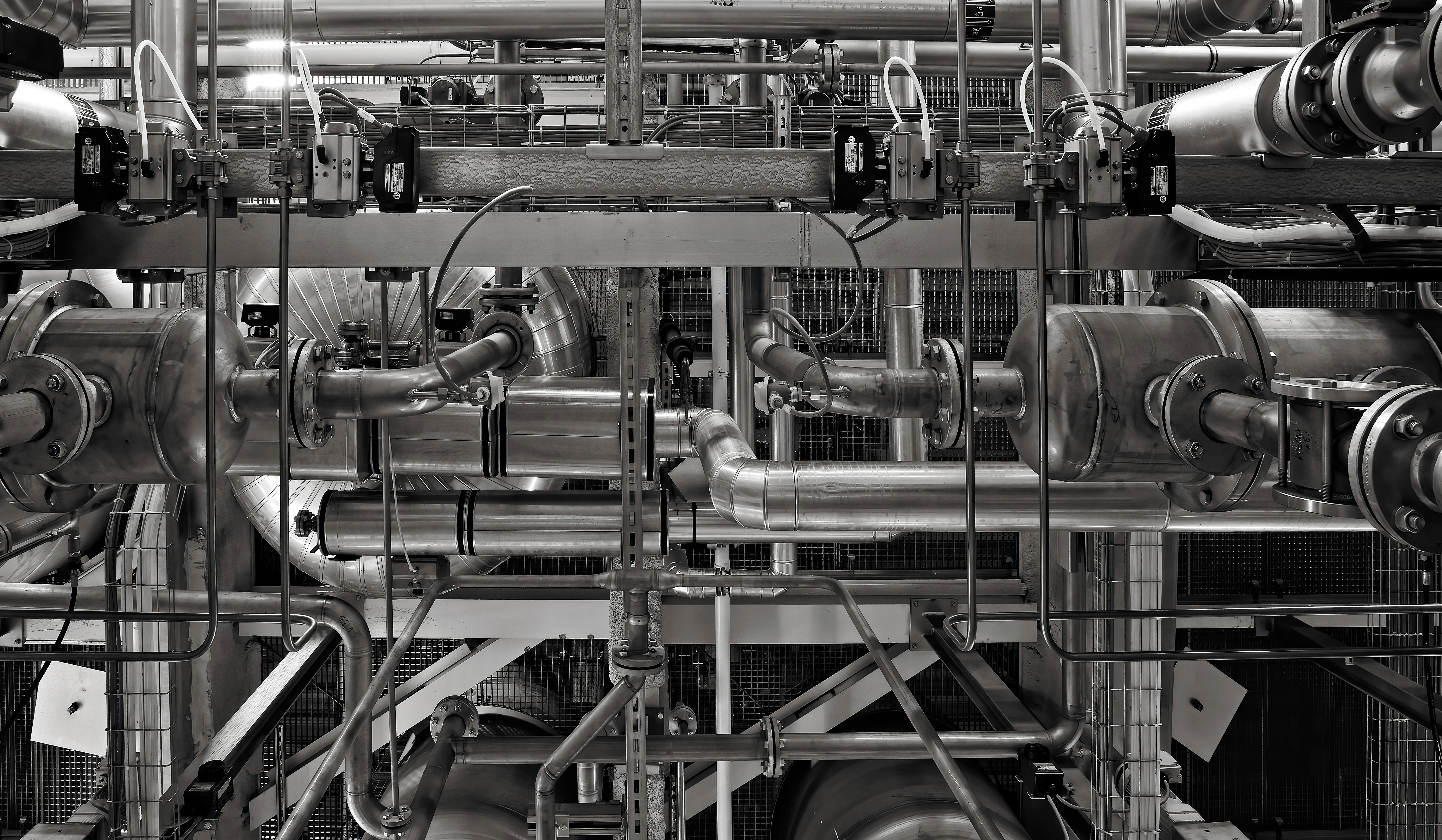
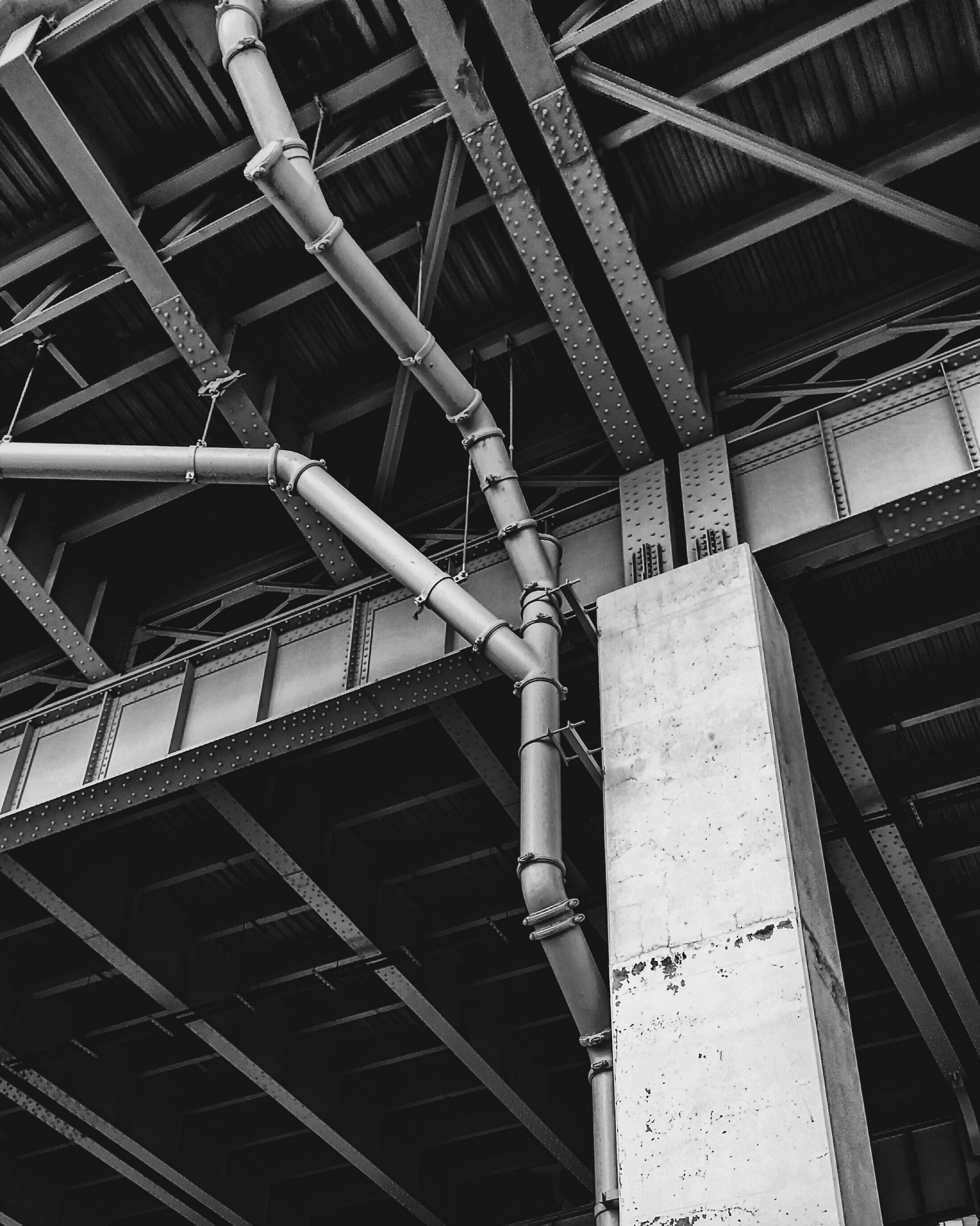
A close up of pipes and pipes in front of a tree

The Role of Pipe Supports in Piping Design

Piping systems are subject to continuous loads from pipe weight, fluid content, temperature variation, and operational forces. Without adequate support, these forces can cause sagging, excessive stress, vibration, and even structural failure. Pipe supports are designed to manage these forces while maintaining proper alignment and system integrity throughout the piping lifecycle.

The Role of Pipe Supports in Piping Design

Piping systems are subject to continuous loads from pipe weight, fluid content, temperature variation, and operational forces. Without adequate support, these forces can cause sagging, excessive stress, vibration, and even structural failure. Pipe supports are designed to manage these forces while maintaining proper alignment and system integrity throughout the piping lifecycle.

The Role of Pipe Supports in Piping Design

Piping systems are subject to continuous loads from pipe weight, fluid content, temperature variation, and operational forces. Without adequate support, these forces can cause sagging, excessive stress, vibration, and even structural failure. Pipe supports are designed to manage these forces while maintaining proper alignment and system integrity throughout the piping lifecycle.

Load Distribution and Structural Stability

One of the primary functions of pipe supports is to distribute the weight of pipes, fittings, valves, and the fluid they carry. By transferring loads safely to structures or foundations, supports prevent localized stress buildup that can damage piping or connected equipment. This is especially important for large-diameter and long-span pipelines.

Load Distribution and Structural Stability

One of the primary functions of pipe supports is to distribute the weight of pipes, fittings, valves, and the fluid they carry. By transferring loads safely to structures or foundations, supports prevent localized stress buildup that can damage piping or connected equipment. This is especially important for large-diameter and long-span pipelines.

Load Distribution and Structural Stability

One of the primary functions of pipe supports is to distribute the weight of pipes, fittings, valves, and the fluid they carry. By transferring loads safely to structures or foundations, supports prevent localized stress buildup that can damage piping or connected equipment. This is especially important for large-diameter and long-span pipelines.

Vibration Control and Equipment Protection

Flow-induced vibration, rotating equipment, and pressure fluctuations can introduce dynamic loads into piping systems. Properly designed supports help limit vibration, reducing fatigue at welds and joints. This improves equipment reliability and minimizes the risk of long-term damage caused by cyclic loading.

Vibration Control and Equipment Protection

Flow-induced vibration, rotating equipment, and pressure fluctuations can introduce dynamic loads into piping systems. Properly designed supports help limit vibration, reducing fatigue at welds and joints. This improves equipment reliability and minimizes the risk of long-term damage caused by cyclic loading.

Vibration Control and Equipment Protection

Flow-induced vibration, rotating equipment, and pressure fluctuations can introduce dynamic loads into piping systems. Properly designed supports help limit vibration, reducing fatigue at welds and joints. This improves equipment reliability and minimizes the risk of long-term damage caused by cyclic loading.

Managing Thermal Expansion and Contraction

Temperature changes cause piping to expand and contract. Supports such as spring hangers, sliding supports, and guides allow controlled movement while preventing excessive stress. Anchors define fixed points, ensuring expansion occurs in a predictable direction and protecting critical equipment connections.

Managing Thermal Expansion and Contraction

Temperature changes cause piping to expand and contract. Supports such as spring hangers, sliding supports, and guides allow controlled movement while preventing excessive stress. Anchors define fixed points, ensuring expansion occurs in a predictable direction and protecting critical equipment connections.

Managing Thermal Expansion and Contraction

Temperature changes cause piping to expand and contract. Supports such as spring hangers, sliding supports, and guides allow controlled movement while preventing excessive stress. Anchors define fixed points, ensuring expansion occurs in a predictable direction and protecting critical equipment connections.

Preventing Sagging and Maintaining Slope

Horizontal piping runs are prone to sagging under their own weight. Supports maintain alignment and ensure that required slopes—such as those in drainage or steam lines—are preserved. Proper slope control prevents fluid accumulation, corrosion, and operational inefficiencies.

Preventing Sagging and Maintaining Slope

Horizontal piping runs are prone to sagging under their own weight. Supports maintain alignment and ensure that required slopes—such as those in drainage or steam lines—are preserved. Proper slope control prevents fluid accumulation, corrosion, and operational inefficiencies.

Preventing Sagging and Maintaining Slope

Horizontal piping runs are prone to sagging under their own weight. Supports maintain alignment and ensure that required slopes—such as those in drainage or steam lines—are preserved. Proper slope control prevents fluid accumulation, corrosion, and operational inefficiencies.

Shock, Seismic, and Safety Considerations

In seismic zones or systems exposed to sudden pressure changes, specialized supports like snubbers and shock absorbers limit pipe displacement. These supports help maintain system stability during abnormal events, protecting both personnel and infrastructure.

Shock, Seismic, and Safety Considerations

In seismic zones or systems exposed to sudden pressure changes, specialized supports like snubbers and shock absorbers limit pipe displacement. These supports help maintain system stability during abnormal events, protecting both personnel and infrastructure.

Shock, Seismic, and Safety Considerations

In seismic zones or systems exposed to sudden pressure changes, specialized supports like snubbers and shock absorbers limit pipe displacement. These supports help maintain system stability during abnormal events, protecting both personnel and infrastructure.

Common Types of Pipe Supports

Different support types serve different functions within a piping system:

  • Rest Supports for carrying vertical loads

  • Guide Supports for controlling directional movement

  • Anchor Supports for fixing piping at defined locations

  • Spring Supports for accommodating thermal movement

  • Hanger Supports for suspended piping systems

Each support type is selected based on load conditions, movement requirements, and system behavior.

Common Types of Pipe Supports

Different support types serve different functions within a piping system:

  • Rest Supports for carrying vertical loads

  • Guide Supports for controlling directional movement

  • Anchor Supports for fixing piping at defined locations

  • Spring Supports for accommodating thermal movement

  • Hanger Supports for suspended piping systems

Each support type is selected based on load conditions, movement requirements, and system behavior.

Common Types of Pipe Supports

Different support types serve different functions within a piping system:

  • Rest Supports for carrying vertical loads

  • Guide Supports for controlling directional movement

  • Anchor Supports for fixing piping at defined locations

  • Spring Supports for accommodating thermal movement

  • Hanger Supports for suspended piping systems

Each support type is selected based on load conditions, movement requirements, and system behavior.

Explore More Insights

Explore More Insights

Explore More Insights

Have a similar project in mind? Let us know!

(04)

aerial view of industrial factory

Have a similar project in mind? Let us know!

(04)

aerial view of industrial factory

Have a similar project in mind? Let us know!

(04)

aerial view of industrial factory
black and orange power tool

Take the Next Step Toward Engineering Excellence.

From 3D scanning to ongoing asset management - We deliver end-to-end solutions that reduce costs and improve operational efficiency

Contact Us

+91 84481 79046

+971 58556 6837

info@sixdengineering.com

Connect

© 2024 SIXD India. All rights reserved

black and orange power tool

Take the Next Step Toward Engineering Excellence.

From 3D scanning to ongoing asset management - We deliver end-to-end solutions that reduce costs and improve operational efficiency

© 2024 SIXD India. All rights reserved

black and orange power tool

Take the Next Step Toward Engineering Excellence.

From 3D scanning to ongoing asset management - We deliver end-to-end solutions that reduce costs and improve operational efficiency

© 2024 SIXD India. All rights reserved

Why Pipe Supports Are Critical in Piping Systems

Why Pipe Supports Are Critical in Piping Systems

(01)

Pipe supports play a vital role in maintaining the safety, stability, and long-term reliability of piping systems. Proper support design ensures controlled load distribution, manages thermal movement, and protects piping and connected equipment from stress, vibration, and failure.

A close up of pipes and pipes in front of a tree

The Role of Pipe Supports in Piping Design

Piping systems are subject to continuous loads from pipe weight, fluid content, temperature variation, and operational forces. Without adequate support, these forces can cause sagging, excessive stress, vibration, and even structural failure. Pipe supports are designed to manage these forces while maintaining proper alignment and system integrity throughout the piping lifecycle.

The Role of Pipe Supports in Piping Design

Piping systems are subject to continuous loads from pipe weight, fluid content, temperature variation, and operational forces. Without adequate support, these forces can cause sagging, excessive stress, vibration, and even structural failure. Pipe supports are designed to manage these forces while maintaining proper alignment and system integrity throughout the piping lifecycle.

The Role of Pipe Supports in Piping Design

Piping systems are subject to continuous loads from pipe weight, fluid content, temperature variation, and operational forces. Without adequate support, these forces can cause sagging, excessive stress, vibration, and even structural failure. Pipe supports are designed to manage these forces while maintaining proper alignment and system integrity throughout the piping lifecycle.

Load Distribution and Structural Stability

One of the primary functions of pipe supports is to distribute the weight of pipes, fittings, valves, and the fluid they carry. By transferring loads safely to structures or foundations, supports prevent localized stress buildup that can damage piping or connected equipment. This is especially important for large-diameter and long-span pipelines.

Load Distribution and Structural Stability

One of the primary functions of pipe supports is to distribute the weight of pipes, fittings, valves, and the fluid they carry. By transferring loads safely to structures or foundations, supports prevent localized stress buildup that can damage piping or connected equipment. This is especially important for large-diameter and long-span pipelines.

Load Distribution and Structural Stability

One of the primary functions of pipe supports is to distribute the weight of pipes, fittings, valves, and the fluid they carry. By transferring loads safely to structures or foundations, supports prevent localized stress buildup that can damage piping or connected equipment. This is especially important for large-diameter and long-span pipelines.

Vibration Control and Equipment Protection

Flow-induced vibration, rotating equipment, and pressure fluctuations can introduce dynamic loads into piping systems. Properly designed supports help limit vibration, reducing fatigue at welds and joints. This improves equipment reliability and minimizes the risk of long-term damage caused by cyclic loading.

Vibration Control and Equipment Protection

Flow-induced vibration, rotating equipment, and pressure fluctuations can introduce dynamic loads into piping systems. Properly designed supports help limit vibration, reducing fatigue at welds and joints. This improves equipment reliability and minimizes the risk of long-term damage caused by cyclic loading.

Vibration Control and Equipment Protection

Flow-induced vibration, rotating equipment, and pressure fluctuations can introduce dynamic loads into piping systems. Properly designed supports help limit vibration, reducing fatigue at welds and joints. This improves equipment reliability and minimizes the risk of long-term damage caused by cyclic loading.

Managing Thermal Expansion and Contraction

Temperature changes cause piping to expand and contract. Supports such as spring hangers, sliding supports, and guides allow controlled movement while preventing excessive stress. Anchors define fixed points, ensuring expansion occurs in a predictable direction and protecting critical equipment connections.

Managing Thermal Expansion and Contraction

Temperature changes cause piping to expand and contract. Supports such as spring hangers, sliding supports, and guides allow controlled movement while preventing excessive stress. Anchors define fixed points, ensuring expansion occurs in a predictable direction and protecting critical equipment connections.

Managing Thermal Expansion and Contraction

Temperature changes cause piping to expand and contract. Supports such as spring hangers, sliding supports, and guides allow controlled movement while preventing excessive stress. Anchors define fixed points, ensuring expansion occurs in a predictable direction and protecting critical equipment connections.

Preventing Sagging and Maintaining Slope

Horizontal piping runs are prone to sagging under their own weight. Supports maintain alignment and ensure that required slopes—such as those in drainage or steam lines—are preserved. Proper slope control prevents fluid accumulation, corrosion, and operational inefficiencies.

Preventing Sagging and Maintaining Slope

Horizontal piping runs are prone to sagging under their own weight. Supports maintain alignment and ensure that required slopes—such as those in drainage or steam lines—are preserved. Proper slope control prevents fluid accumulation, corrosion, and operational inefficiencies.

Preventing Sagging and Maintaining Slope

Horizontal piping runs are prone to sagging under their own weight. Supports maintain alignment and ensure that required slopes—such as those in drainage or steam lines—are preserved. Proper slope control prevents fluid accumulation, corrosion, and operational inefficiencies.

Shock, Seismic, and Safety Considerations

In seismic zones or systems exposed to sudden pressure changes, specialized supports like snubbers and shock absorbers limit pipe displacement. These supports help maintain system stability during abnormal events, protecting both personnel and infrastructure.

Shock, Seismic, and Safety Considerations

In seismic zones or systems exposed to sudden pressure changes, specialized supports like snubbers and shock absorbers limit pipe displacement. These supports help maintain system stability during abnormal events, protecting both personnel and infrastructure.

Shock, Seismic, and Safety Considerations

In seismic zones or systems exposed to sudden pressure changes, specialized supports like snubbers and shock absorbers limit pipe displacement. These supports help maintain system stability during abnormal events, protecting both personnel and infrastructure.

Common Types of Pipe Supports

Different support types serve different functions within a piping system:

  • Rest Supports for carrying vertical loads

  • Guide Supports for controlling directional movement

  • Anchor Supports for fixing piping at defined locations

  • Spring Supports for accommodating thermal movement

  • Hanger Supports for suspended piping systems

Each support type is selected based on load conditions, movement requirements, and system behavior.

Common Types of Pipe Supports

Different support types serve different functions within a piping system:

  • Rest Supports for carrying vertical loads

  • Guide Supports for controlling directional movement

  • Anchor Supports for fixing piping at defined locations

  • Spring Supports for accommodating thermal movement

  • Hanger Supports for suspended piping systems

Each support type is selected based on load conditions, movement requirements, and system behavior.

Common Types of Pipe Supports

Different support types serve different functions within a piping system:

  • Rest Supports for carrying vertical loads

  • Guide Supports for controlling directional movement

  • Anchor Supports for fixing piping at defined locations

  • Spring Supports for accommodating thermal movement

  • Hanger Supports for suspended piping systems

Each support type is selected based on load conditions, movement requirements, and system behavior.

Explore More Insights

Explore More Insights

Explore More Insights

Have a similar project in mind? Let us know!

(04)

aerial view of industrial factory

Have a similar project in mind? Let us know!

(04)

aerial view of industrial factory

Have a similar project in mind? Let us know!

(04)

aerial view of industrial factory
black and orange power tool

Take the Next Step Toward Engineering Excellence.

From 3D scanning to ongoing asset management - We deliver end-to-end solutions that reduce costs and improve operational efficiency

Contact Us

+91 84481 79046

+971 58556 6837

info@sixdengineering.com

Connect

© 2024 SIXD India. All rights reserved

black and orange power tool

Take the Next Step Toward Engineering Excellence.

From 3D scanning to ongoing asset management - We deliver end-to-end solutions that reduce costs and improve operational efficiency

© 2024 SIXD India. All rights reserved

black and orange power tool

Take the Next Step Toward Engineering Excellence.

From 3D scanning to ongoing asset management - We deliver end-to-end solutions that reduce costs and improve operational efficiency

© 2024 SIXD India. All rights reserved