What We Learned at DTSM'26
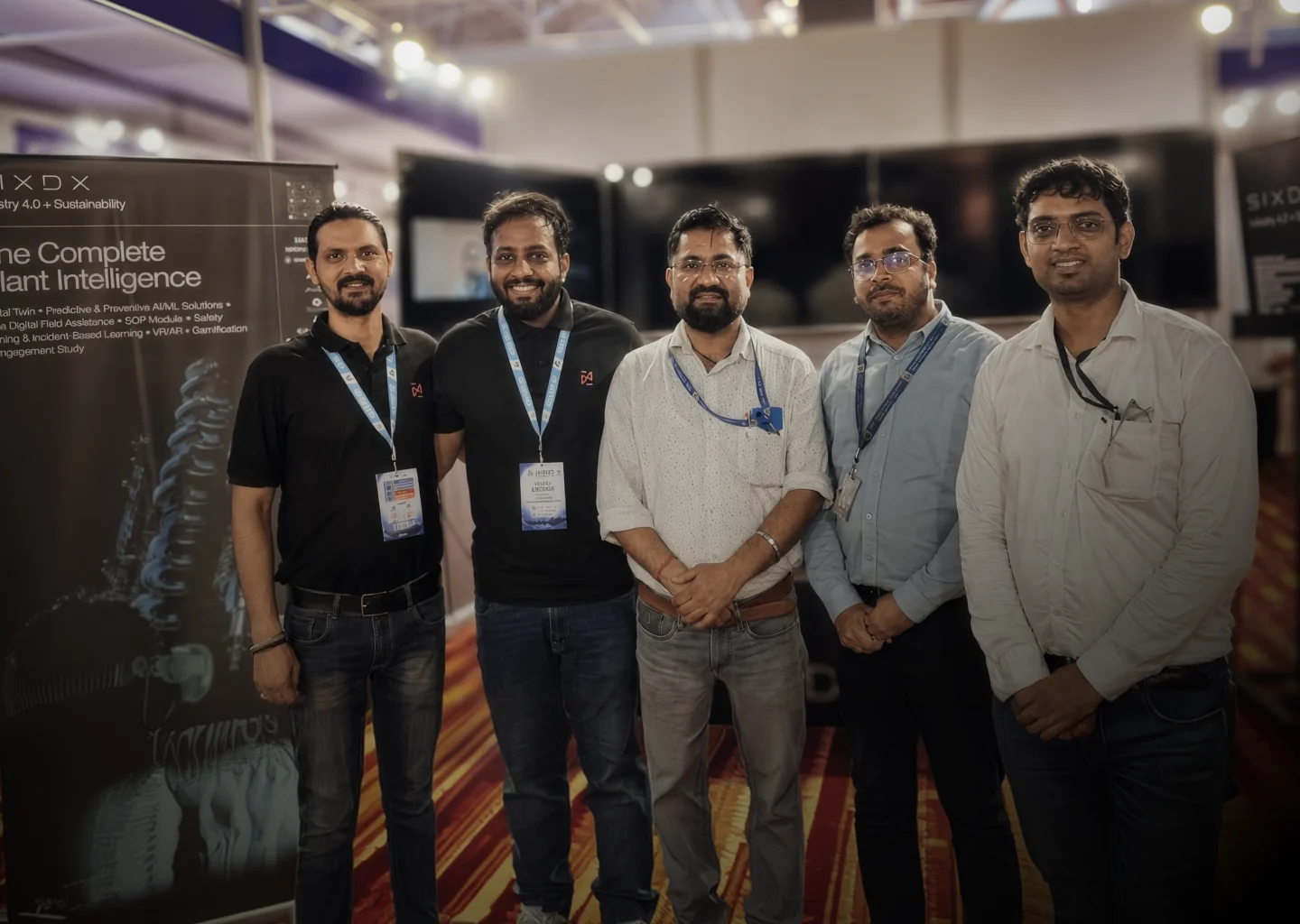
SixD Engineering participated in DTSM'26 - Digital Transformation in Steel Manufacturing at SAIL-IISCO Steel Plant, Burnpur, where industry leaders, technology providers, and manufacturing experts came together to discuss the future of digital steel production.
The conclave highlighted how engineering data, intelligent automation, and digital technologies are transforming plant operations, maintenance, and workforce readiness across the steel industry.
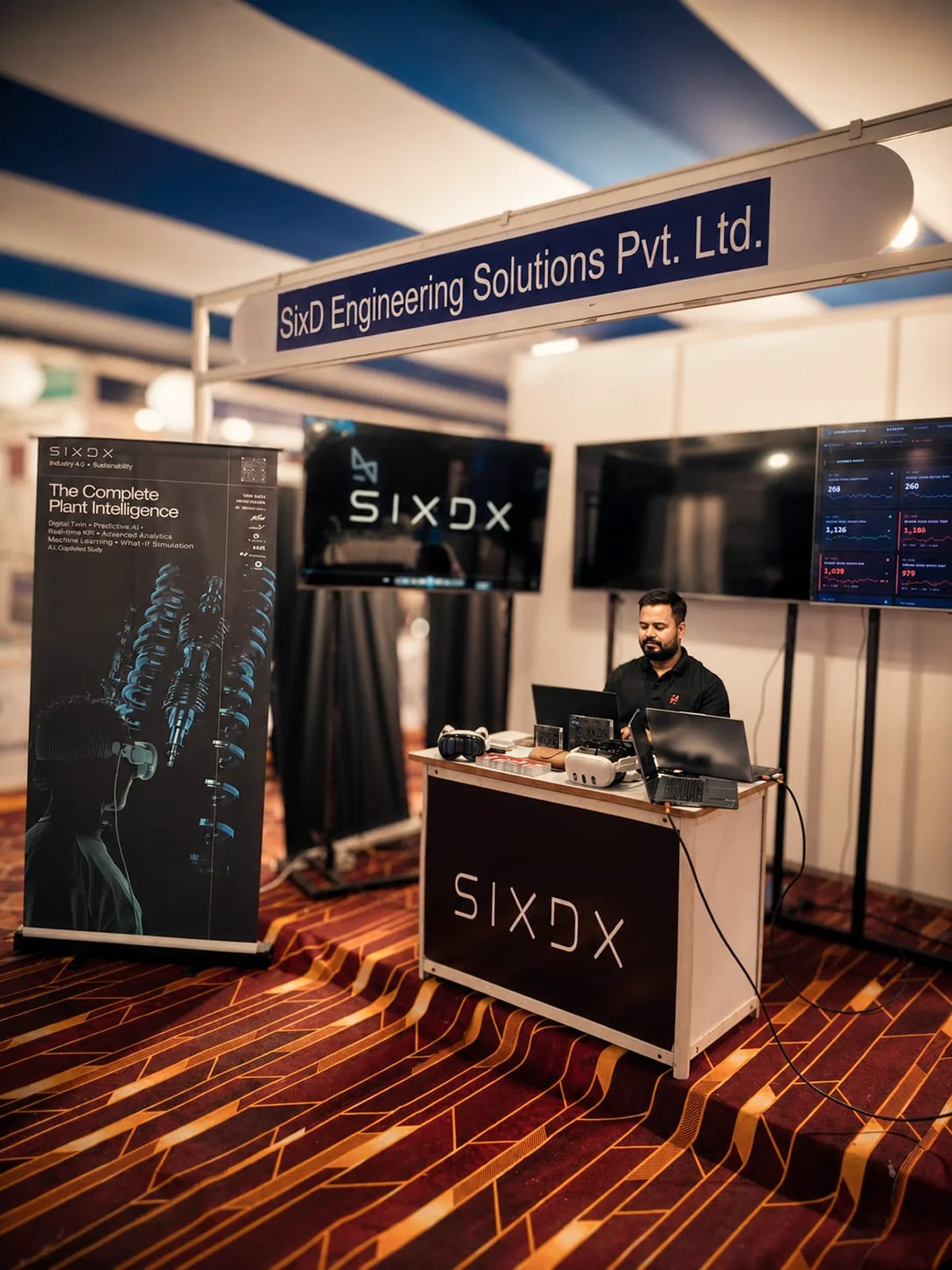
As participants, Team SixD had the opportunity to engage with professionals across the sector, exchange ideas, and showcase SixDX, our Digital Intelligence platform designed to help industries improve engineering efficiency, operational reliability, and workforce capability.
The discussions reinforced one clear message: digital transformation is no longer only about adopting new technology. It is about building a connected, data-driven engineering ecosystem.
What We Learned at DTSM'26
SixD Engineering participated in DTSM'26 - Digital Transformation in Steel Manufacturing at SAIL-IISCO Steel Plant, Burnpur, where industry leaders, technology providers, and manufacturing experts came together to discuss the future of digital steel production.
The conclave highlighted how engineering data, intelligent automation, and digital technologies are transforming plant operations, maintenance, and workforce readiness across the steel industry.
As participants, Team SixD had the opportunity to engage with professionals across the sector, exchange ideas, and showcase SixDX, our Digital Intelligence platform designed to help industries improve engineering efficiency, operational reliability, and workforce capability.
The discussions reinforced one clear message: digital transformation is no longer only about adopting new technology. It is about building a connected, data-driven engineering ecosystem.
Engineering Data Is the Foundation of Digital Transformation
One of the strongest themes across DTSM'26 was the importance of reliable engineering data. Many industrial facilities continue to operate with outdated drawings, undocumented modifications, and disconnected engineering records.
Without an accurate digital representation of the plant, modernization projects become more complex, maintenance activities take longer, and engineering decisions carry greater risk. For steel plants, where production assets, utilities, process equipment, and safety-critical systems must work together, this data foundation is especially important.
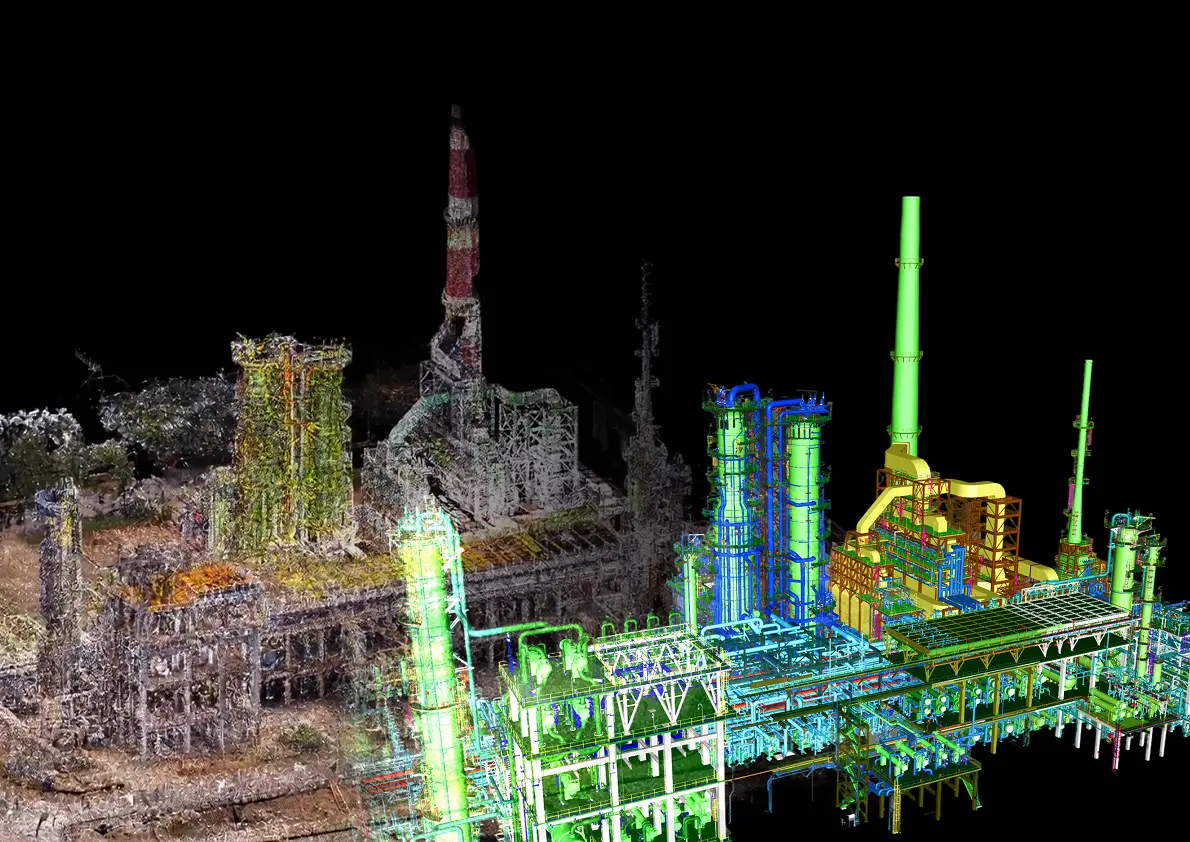
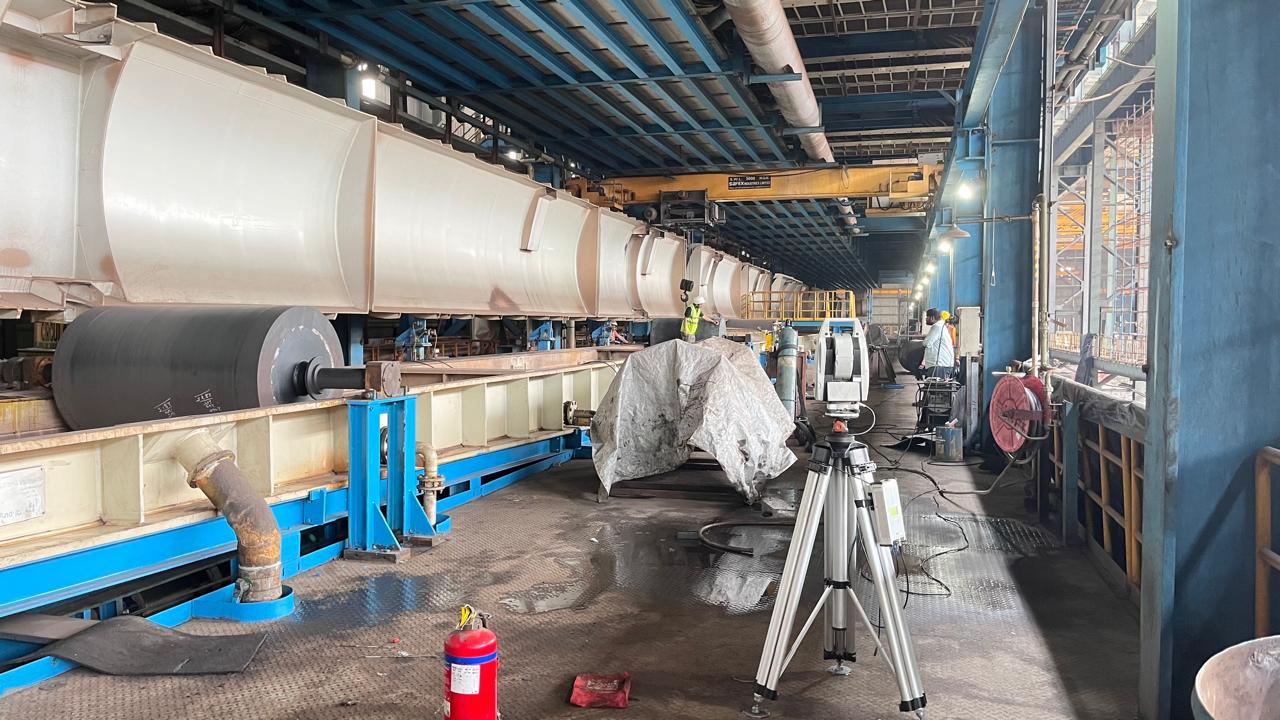
Technologies such as 3D laser scanning, As-Built Engineering, reverse engineering, and digital twins are becoming essential for creating trusted digital records of industrial assets.
Engineering Data Is the Foundation of Digital Transformation
One of the strongest themes across DTSM'26 was the importance of reliable engineering data. Many industrial facilities continue to operate with outdated drawings, undocumented modifications, and disconnected engineering records.
Without an accurate digital representation of the plant, modernization projects become more complex, maintenance activities take longer, and engineering decisions carry greater risk. For steel plants, where production assets, utilities, process equipment, and safety-critical systems must work together, this data foundation is especially important.
Technologies such as 3D laser scanning, As-Built Engineering, reverse engineering, and digital twins are becoming essential for creating trusted digital records of industrial assets.
Digital Twins Are Moving from Vision to Reality
Digital twins were a major topic of discussion throughout the conclave. Organizations are increasingly investing in intelligent digital replicas of their facilities to improve planning, optimize maintenance, support plant modifications, and enable data-driven decision-making throughout the asset lifecycle.
For steel manufacturing, a useful digital twin depends on more than a visual 3D model. It needs accurate geometry, engineering context, asset information, inspection history, and a practical workflow for keeping data current as the plant changes.
As industries continue their digital journey, digital twins are evolving into strategic assets that improve visibility, reduce uncertainty, and support long-term operational excellence.
Digital Twins Are Moving from Vision to Reality
Digital twins were a major topic of discussion throughout the conclave. Organizations are increasingly investing in intelligent digital replicas of their facilities to improve planning, optimize maintenance, support plant modifications, and enable data-driven decision-making throughout the asset lifecycle.
For steel manufacturing, a useful digital twin depends on more than a visual 3D model. It needs accurate geometry, engineering context, asset information, inspection history, and a practical workflow for keeping data current as the plant changes.
As industries continue their digital journey, digital twins are evolving into strategic assets that improve visibility, reduce uncertainty, and support long-term operational excellence.
Workforce Intelligence Is Becoming a Strategic Priority
Technology alone cannot drive transformation without a skilled workforce. DTSM'26 highlighted the growing need for digital learning platforms that improve knowledge retention, accelerate onboarding, and ensure consistent execution of standard operating procedures.
Interactive SOPs, simulation-based learning, AI-assisted training, and immersive learning environments are helping industries build safer, more productive operations while preserving critical institutional knowledge.
For large industrial plants, this shift is important because operational knowledge often sits across departments, documents, and experienced personnel. Workforce intelligence helps convert that knowledge into structured, repeatable, and accessible guidance.
Workforce Intelligence Is Becoming a Strategic Priority
Technology alone cannot drive transformation without a skilled workforce. DTSM'26 highlighted the growing need for digital learning platforms that improve knowledge retention, accelerate onboarding, and ensure consistent execution of standard operating procedures.
Interactive SOPs, simulation-based learning, AI-assisted training, and immersive learning environments are helping industries build safer, more productive operations while preserving critical institutional knowledge.
For large industrial plants, this shift is important because operational knowledge often sits across departments, documents, and experienced personnel. Workforce intelligence helps convert that knowledge into structured, repeatable, and accessible guidance.
Integrated Digital Engineering Is the Future
Another key takeaway was the shift toward connected engineering workflows. Rather than relying on isolated software or standalone documents, organizations are integrating engineering data, inspection records, 3D models, maintenance information, and operational procedures into unified digital environments.
This integrated approach improves collaboration and decision-making across project, maintenance, operations, and management teams. It can also reduce rework, improve project execution, and create greater confidence in engineering decisions.
For brownfield steel plants, integration is especially valuable because teams often need to connect legacy documentation with current site reality, planned modifications, and ongoing reliability programs.
Integrated Digital Engineering Is the Future
Another key takeaway was the shift toward connected engineering workflows. Rather than relying on isolated software or standalone documents, organizations are integrating engineering data, inspection records, 3D models, maintenance information, and operational procedures into unified digital environments.
This integrated approach improves collaboration and decision-making across project, maintenance, operations, and management teams. It can also reduce rework, improve project execution, and create greater confidence in engineering decisions.
For brownfield steel plants, integration is especially valuable because teams often need to connect legacy documentation with current site reality, planned modifications, and ongoing reliability programs.
SixD's Perspective
Participating in DTSM'26 reaffirmed our belief that successful digital transformation begins with accurate engineering information and extends across the entire asset lifecycle.
From high-precision Dimension Engineering and intelligent 3D modeling to digital twins and AI-powered training through SixDX, SixD's focus remains on helping industries transform engineering data into actionable intelligence.
The conversations at DTSM'26 reinforced that the future of steel manufacturing will be driven by connected engineering, digital workflows, and continuous innovation.
SixD's Perspective
Participating in DTSM'26 reaffirmed our belief that successful digital transformation begins with accurate engineering information and extends across the entire asset lifecycle.
From high-precision Dimension Engineering and intelligent 3D modeling to digital twins and AI-powered training through SixDX, SixD's focus remains on helping industries transform engineering data into actionable intelligence.
The conversations at DTSM'26 reinforced that the future of steel manufacturing will be driven by connected engineering, digital workflows, and continuous innovation.
Looking Ahead
We are grateful to SAIL-IISCO Steel Plant, Burnpur, for organizing a valuable platform that encouraged meaningful discussions around the future of digital manufacturing.
The insights gained from DTSM'26 will continue to inspire our efforts as we develop engineering and digital intelligence solutions that help industries operate more safely, efficiently, and sustainably.
At SixD, we remain committed to supporting manufacturers on their journey toward smarter engineering, intelligent operations, and long-term digital transformation.
Looking Ahead
We are grateful to SAIL-IISCO Steel Plant, Burnpur, for organizing a valuable platform that encouraged meaningful discussions around the future of digital manufacturing.
The insights gained from DTSM'26 will continue to inspire our efforts as we develop engineering and digital intelligence solutions that help industries operate more safely, efficiently, and sustainably.
At SixD, we remain committed to supporting manufacturers on their journey toward smarter engineering, intelligent operations, and long-term digital transformation.