Notes from the Tempodrom
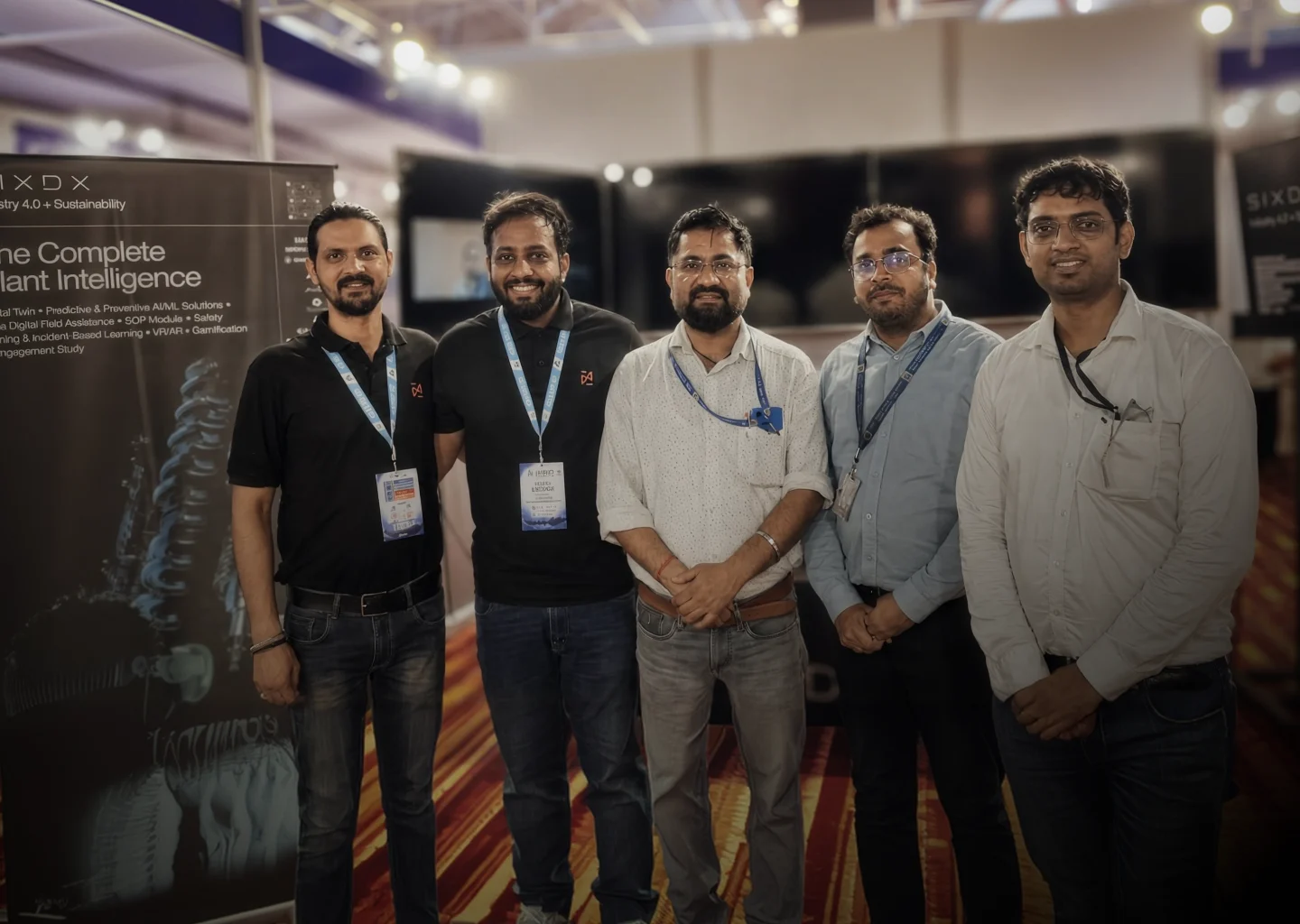
On 21 October, Jensen Huang delivered the NVIDIA GTC Berlin keynote at the Tempodrom. I was in the room. The message for anyone who runs industrial assets was hard to miss: AI is leaving the data centre and heading for the plant floor.
Here is what stood out, and what it means for the plants we work in every day.
Four Ideas from the Keynote
AI factories. Infrastructure built to generate intelligence, not only to process data.
Physical AI and digital twins. AI connected to real assets, machines and operations, rather than living inside a software window.
Agentic AI. Systems that analyse, reason and support decisions, moving step by step towards autonomy.
Industrial AI and simulation. Engineering knowledge, simulation and operational data working together to lift productivity and reliability.
The Demo That Made It Concrete
Huang closed with a robotics demo. An AI agent running on an RTX Spark laptop built an obstacle course, set up the simulation in NVIDIA Isaac Sim, and sent training jobs to cloud GPUs, where thousands of small Microduck robots trained in parallel in Isaac Lab. The agent checked the resulting policy locally and deployed it to real hardware. Four Microducks then walked onto the stage and responded to commands.
Trained in a digital twin. Working in the real world.
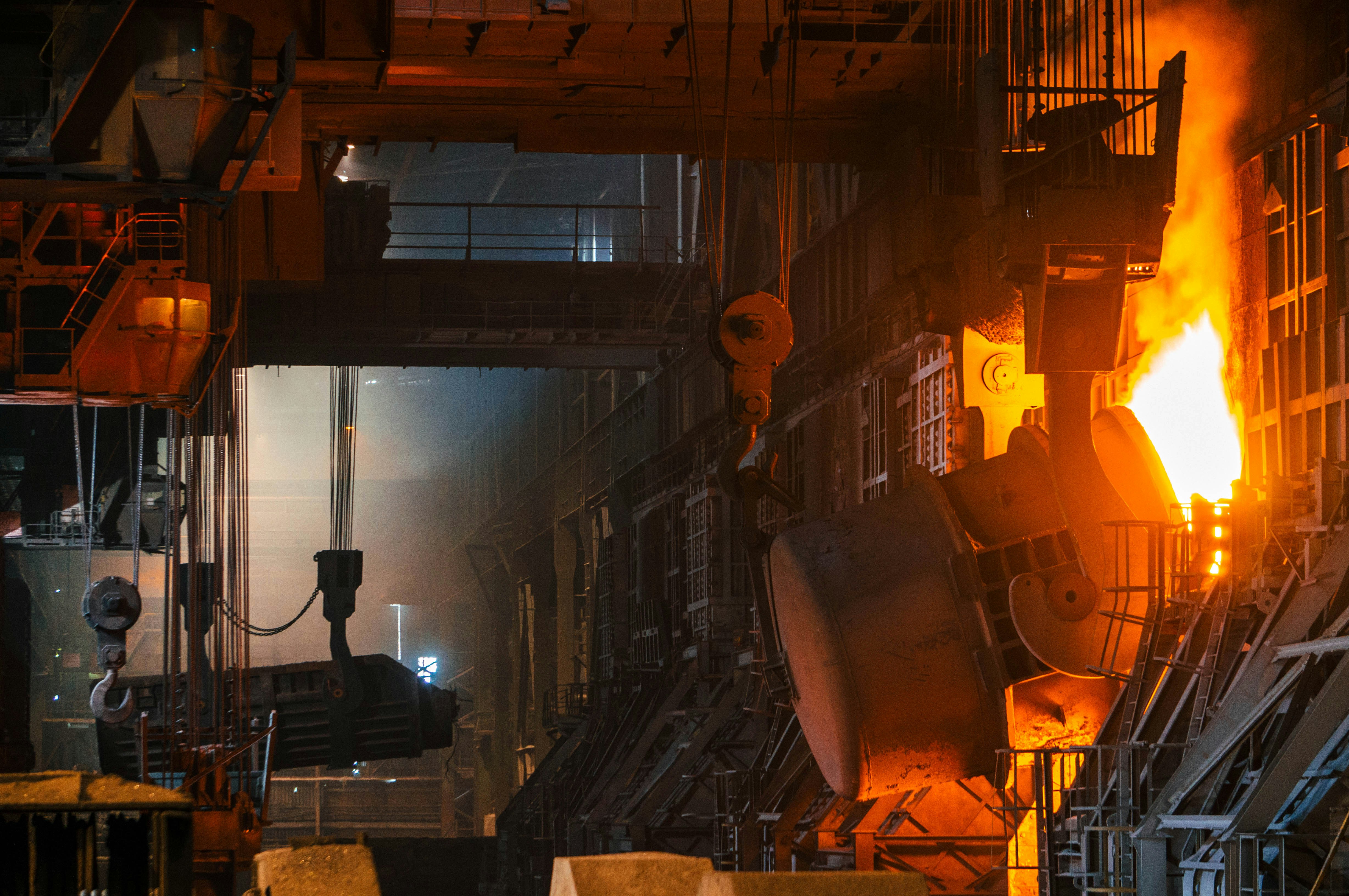
That transfer from simulation to reality is the whole promise of physical AI. It also carries a condition that’s easy to skip past. It only works when the simulated world is close enough to the real one. On a keynote stage, NVIDIA controls every surface. On a thirty-year-old blast furnace or refinery, nobody does.
What Is the Twin Standing On?
An AI agent is only as good as the plant model it reasons from.
On many older plants, that model is a set of drawings that stopped matching the steel years ago. Shutdown modifications, field fixes and replaced equipment rarely make it back into CAD. Put an agent on top of that and it will optimise, confidently, against a plant that doesn’t exist.
Our team has a blunter way of saying it: analytics on a misaligned asset optimises an inevitability.
Where SixD Fits
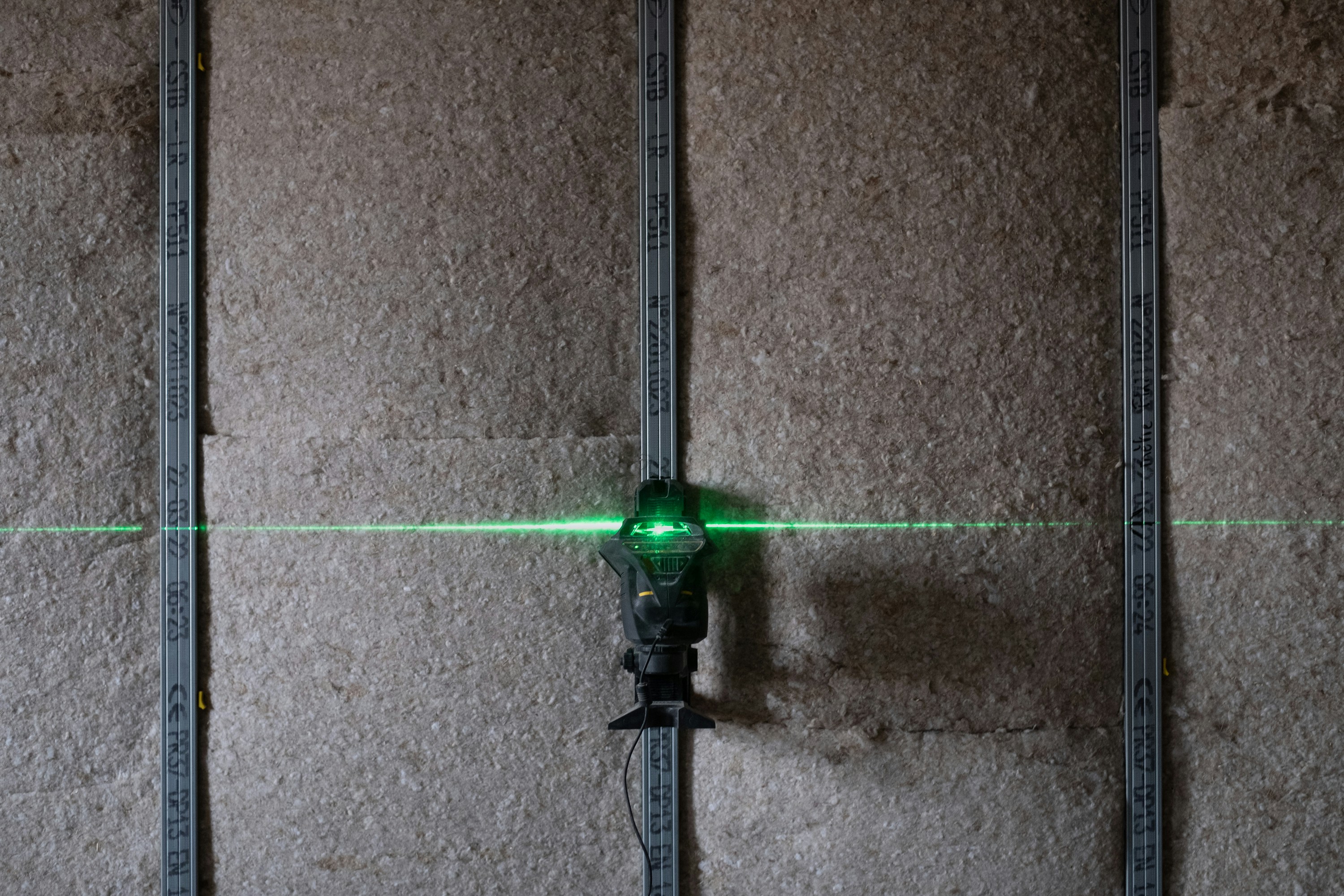
SixD has measured plants as they actually stand since 2006. Laser-tracker dimensional engineering across steel, cement, power and oil and gas plants. As-built engineering to ±3 mm at LOD 350. Design development and supply engineering built on those measured models, not on the drawing archive.
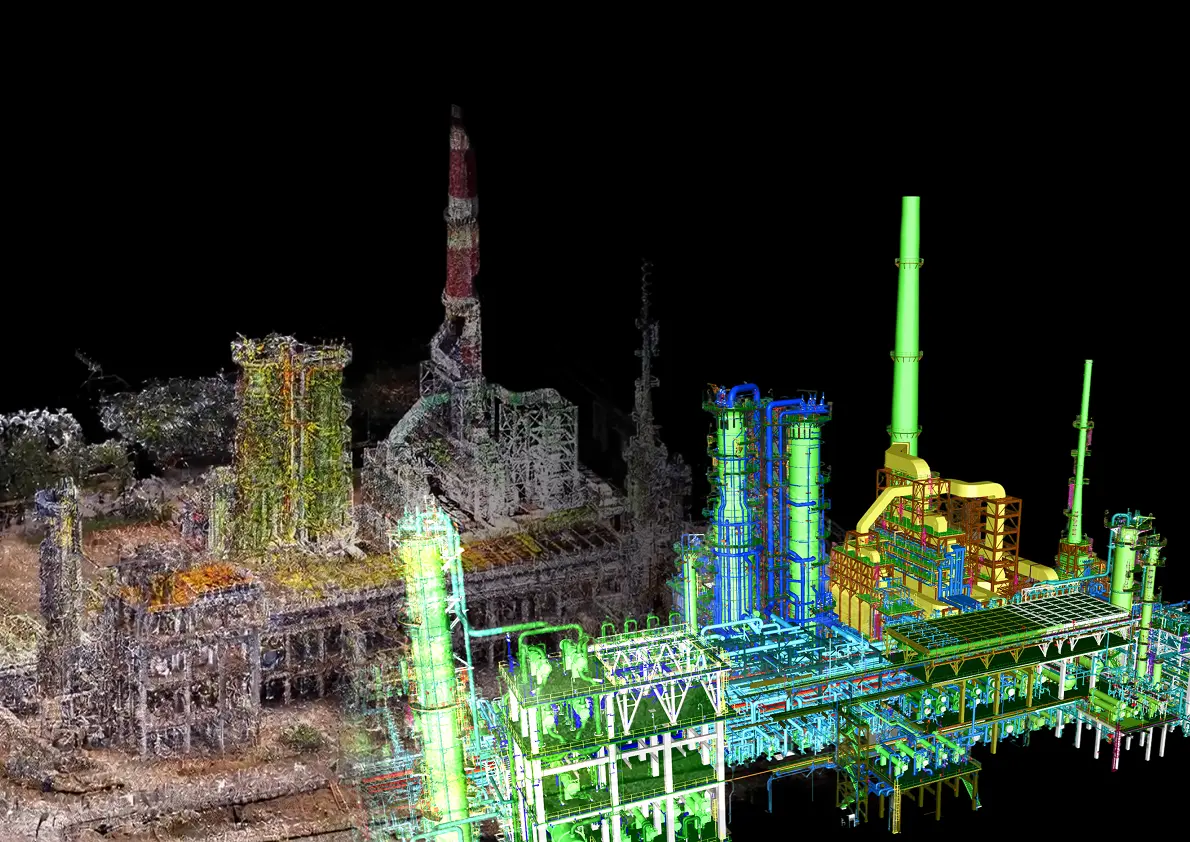
Through SixDX.ai, we now build digital intelligence on that foundation, combining 3D reality capture, digital twins, IIoT, simulation and AI. Thirteen SixDX deployments are delivered so far, across steel, energy, metro rail and EPC.
We structure every digital twin as a sequence, and we don’t skip steps:
Physical world. The plant as it exists today.
Reality twin. Laser scanning and dimensional survey, verified against the asset.
Engineering twin. Intelligent models where changes can be applied and checked by simulation before anyone touches the plant.
Operational twin. Live data from IIoT and plant systems connected to the model.
Intelligence twin. AI that detects, predicts and supports decisions.
Experience twin. Immersive views for training, planning and review.
In our experience, twin projects that disappoint usually started at stage four or five, on a reality layer nobody verified.
Building on Open Platforms
GTC reinforced a decision we had already made. We are designing our next client digital twins around open and industry-standard runtimes, including OpenUSD, NVIDIA Omniverse and Isaac Sim, rather than a closed proprietary suite. A twin is a long-life asset. Our customers should own it and be able to extend it, without being locked to a single vendor’s roadmap.
We are actively exploring how NVIDIA’s ecosystem can help our customers achieve:
Smarter asset management and predictive maintenance
AI-enabled plant performance optimisation
Intelligent digital twins and virtual engineering
Better operating decisions from connected plant data
Higher productivity, reliability and efficiency
Our View
The technology on stage in Berlin is moving fast. The constraint for heavy industry isn’t compute anymore. It’s whether the digital picture of the plant can be trusted.
Our aim is to bring this technology to real industrial problems, and to keep building our capability alongside the global leaders shaping it.
The future belongs to those who connect engineering intelligence with artificial intelligence.
If you run a plant, one question is worth asking this week: when were your as-built drawings last checked against the steel? If the answer is unclear, talk to us.