The construction industry is quickly evolving with the embrace of advanced technologies that improve accuracy, efficiency, and strategic decision-making. One such revolutionary technology is 3D laser scanning, which is changing how construction projects are planned, executed, and managed.
From capturing precise site conditions to enabling data-driven workflows, 3D laser scanning has become a key tool for architects, engineers, contractors, and project managers. In this article, we’ll explore how 3D laser scanning works in construction, its key benefits, and actual use cases that demonstrate its value.
What is 3D Laser Scanning in Construction?
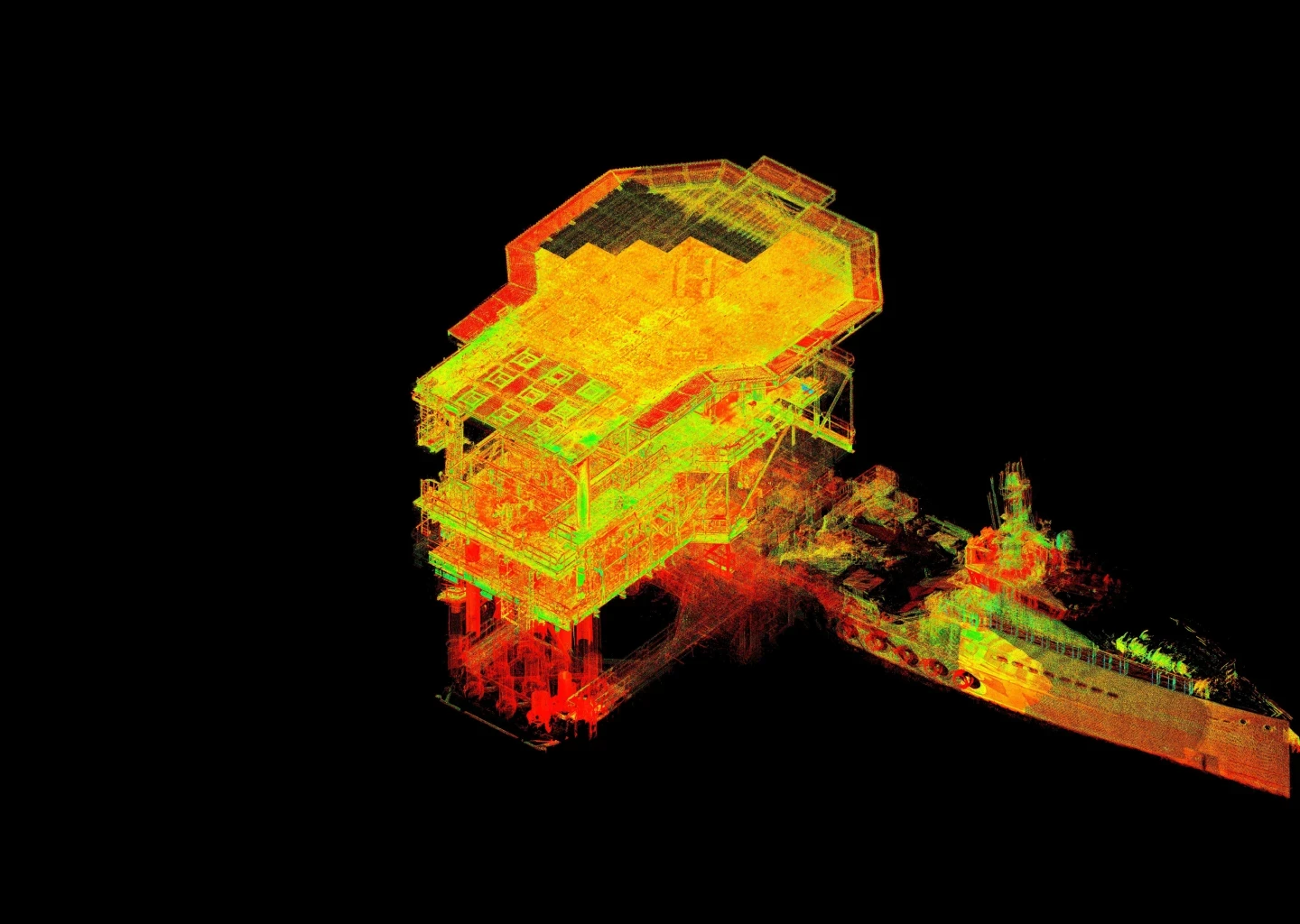
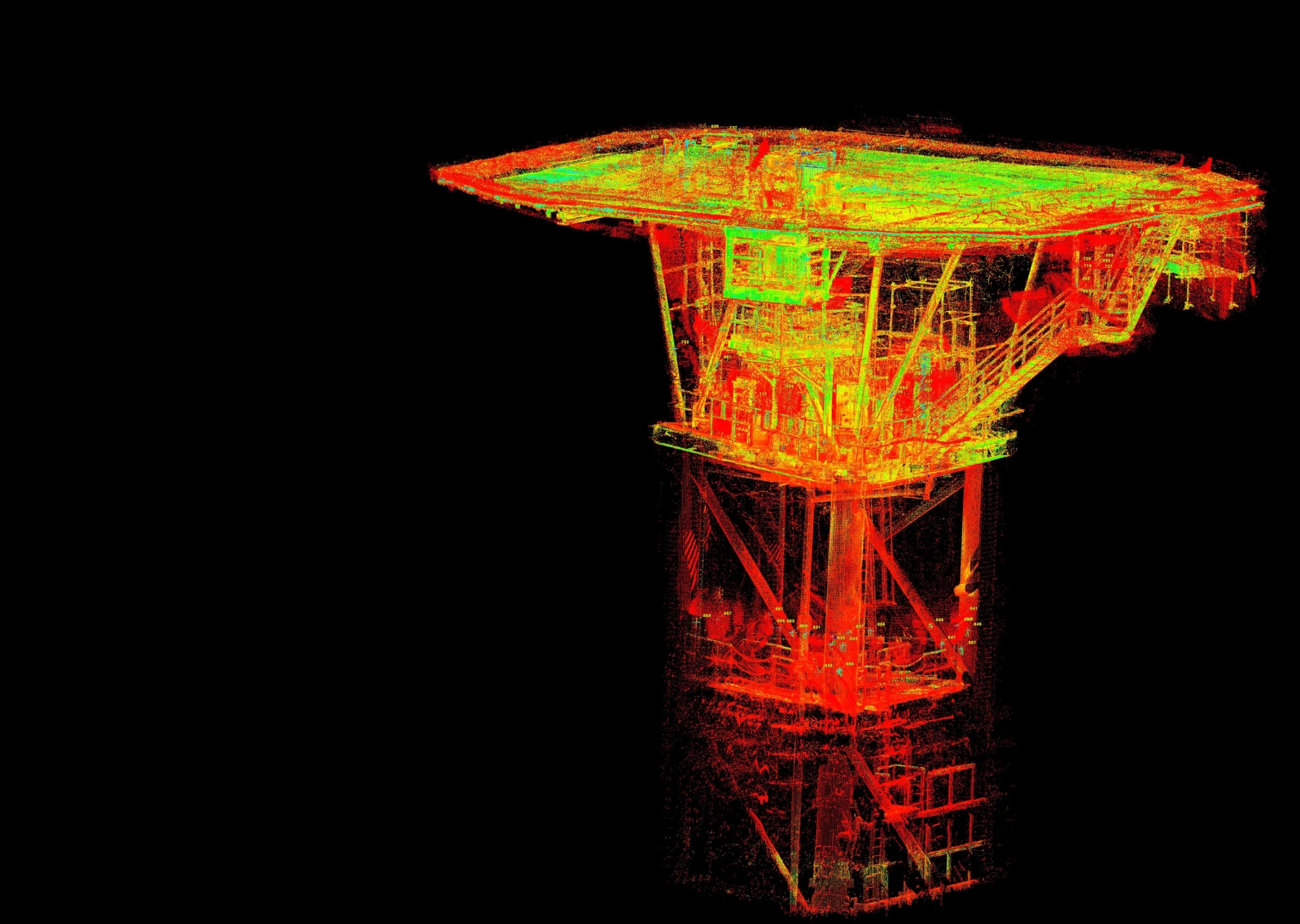
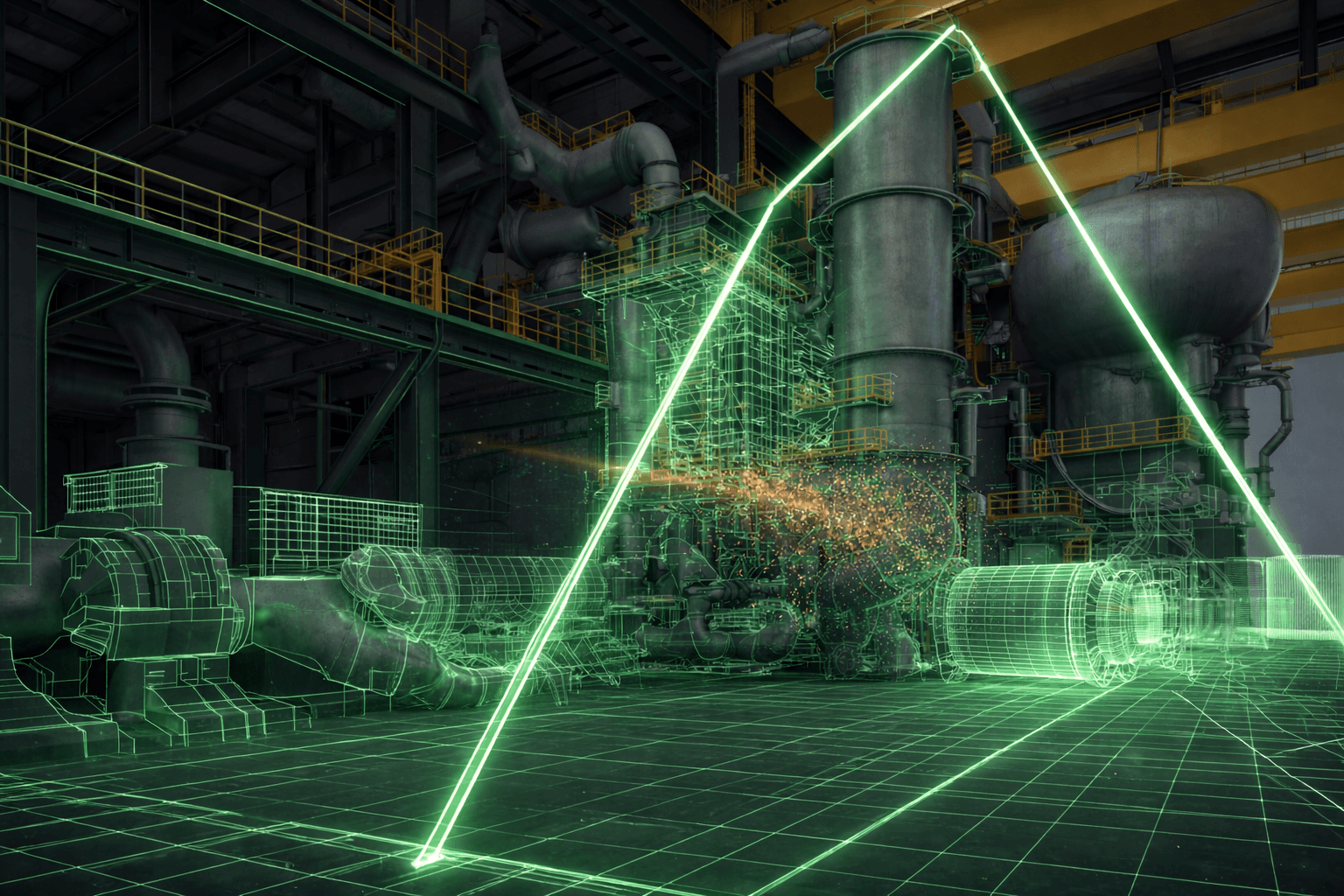
3D laser scanning is a technology that uses laser beams to capture the exact geometry of a physical space or structure. The scanner emits millions of laser points per second, measuring distances and creating a highly accurate point cloud—a digital representation of the scanned environment.
These point clouds can then be converted into:
3D models
BIM (Building Information Modelling) data
CAD drawings
This allows construction professionals to work with real-world data in a digital format.
The construction industry is quickly evolving with the embrace of advanced technologies that improve accuracy, efficiency, and strategic decision-making. One such revolutionary technology is 3D laser scanning, which is changing how construction projects are planned, executed, and managed.
From capturing precise site conditions to enabling data-driven workflows, 3D laser scanning has become a key tool for architects, engineers, contractors, and project managers. In this article, we’ll explore how 3D laser scanning works in construction, its key benefits, and actual use cases that demonstrate its value.
What is 3D Laser Scanning in Construction?
3D laser scanning is a technology that uses laser beams to capture the exact geometry of a physical space or structure. The scanner emits millions of laser points per second, measuring distances and creating a highly accurate point cloud—a digital representation of the scanned environment.
These point clouds can then be converted into:
3D models
BIM (Building Information Modelling) data
CAD drawings
This allows construction professionals to work with real-world data in a digital format.
How 3D Laser Scanning Works
The process of 3D laser scanning in construction generally involves the following steps:
Site Scanning
A laser scanner is placed at multiple locations on-site to capture 360-degree data.Data Collection
Millions of data points are collected to represent surfaces, structures, and objects.Point Cloud Processing
The collected data is processed and stitched together to create a complete model.Model Creation
The point cloud is converted into usable formats like 3D models or BIM.Analysis & Application
The data is used for design validation, clash detection, and project planning.
How 3D Laser Scanning Works
The process of 3D laser scanning in construction generally involves the following steps:
Site Scanning
A laser scanner is placed at multiple locations on-site to capture 360-degree data.Data Collection
Millions of data points are collected to represent surfaces, structures, and objects.Point Cloud Processing
The collected data is processed and stitched together to create a complete model.Model Creation
The point cloud is converted into usable formats like 3D models or BIM.Analysis & Application
The data is used for design validation, clash detection, and project planning.
Key Benefits of 3D Laser Scanning in Construction
1. High Accuracy and Precision
3D laser scanning captures measurements with millimetre-level accuracy. This eliminates errors that often occur with manual measurements and makes sure that every detail is accurately recorded.
This is especially critical in complex construction projects where accuracy is mandatory..
2. Time Efficiency
Traditional surveying methods can take days or even weeks. With 3D laser scanning, large areas can be scanned within hours.
Faster data collection
Reduced project delays
Improved workflow efficiency
This speed translates directly into cost reductions..
3. Enhanced Project Planning
Accurate site data allows teams to make better decisions during the planning phase. With 3D models, stakeholders can visualise the project before construction begins.
Improved design accuracy
Better coordination between teams
Reduced rework
4. Improved Safety
3D laser scanning minimizes the need for workers to physically access dangerous or hard-to-reach areas.
Reduced exposure to hazards
Safer site inspections
Better risk assessment
5. Clash Detection and Error Reduction
By integrating scan data with BIM, teams can identify clashes among structural,, electrical, and plumbing systems before construction begins.
Prevent costly mistakes
Reduce rework
Improve project schedules
6. Cost Savings
Although the initial investment may seem high, 3D laser scanning considerably cuts long-term costs by:
Decreasing errors
Reducing material loss
Avoiding rework
7. Better Documentation
3D scans provide a permanent digital record of the site, which can be used for:
Future renovations
Facility management
Legal documentation
Use Cases of 3D Laser Scanning in Construction.
1. As-Built Documentation
One of the most common applications is creating accurate as-built models of existing structures.
This is particularly useful for:
Renovation projects
Historical building restoration
Infrastructure renovations
2. BIM Integration
3D laser scanning acts a crucial role in Scan-to-BIM workflows.
Convert point clouds into BIM models.
Improve design coordination
Enable real-time collaboration
3. Construction Progress Monitoring
Regular scanning allows project managers to track construction progress versus the original plan.
Identify delays early
Ensure quality control
Improve accountability
4. Quality Assurance and Quality Control (QA/QC)
With exact measurements,, teams can verify whether construction matches design specifications.
Detect deviations
Insure compliance
Maintain project standards
5. Infrastructure Projects
3D laser scanning is widely used in infrastructure construction, such as:
Roads and highways
Bridges
Railways
It helps record complex geometries within large-scale settings.
6. Industrial Construction
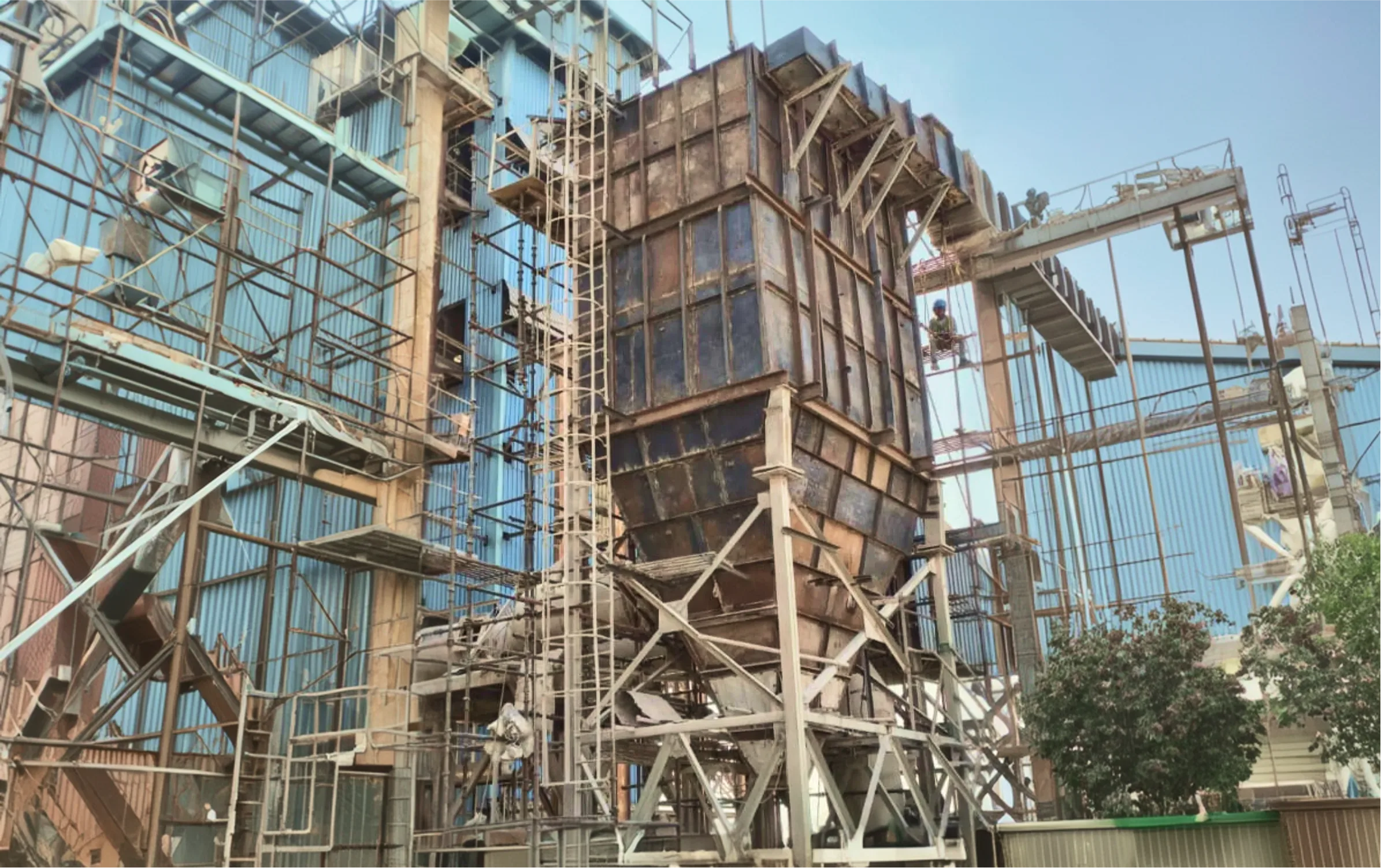
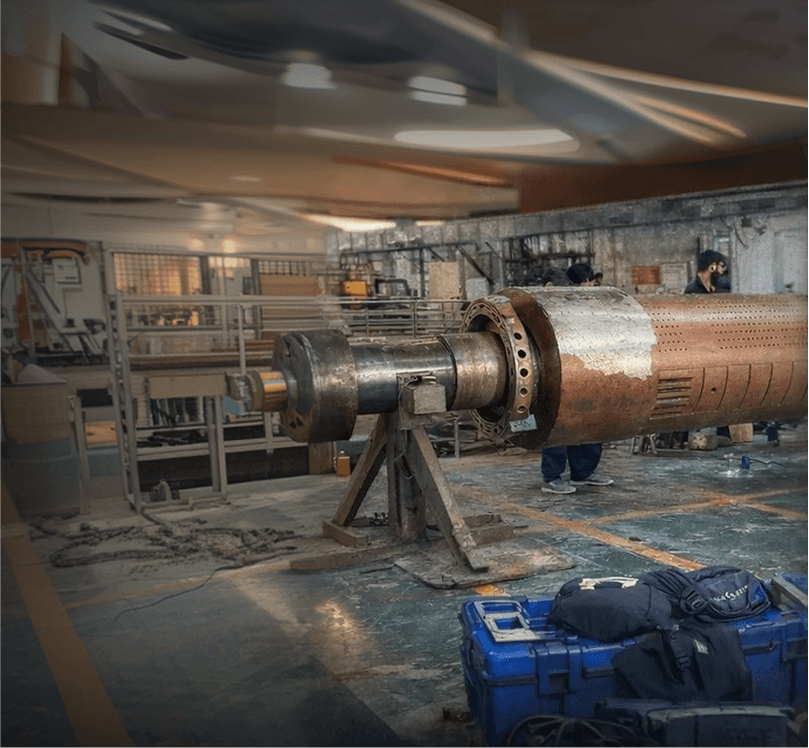
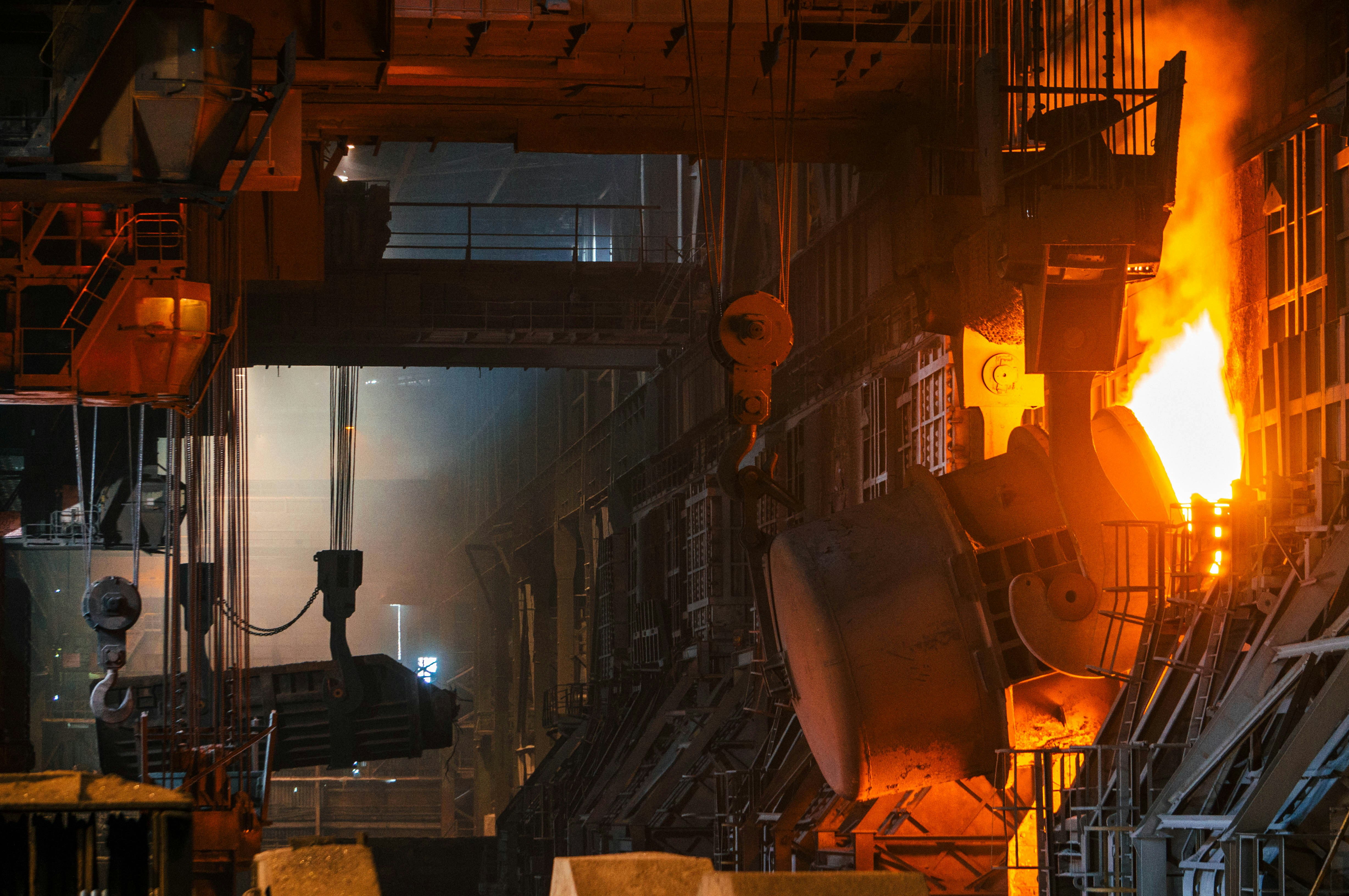
In industrial facilities, where accuracy is critical, 3D scanning ensures proper installation of machinery and systems.
Plant design and layout
Equipment alignment
Maintenance planning
7. Heritage and Restoration Projects
For heritage structures, keeping accuracy is important.. 3D laser scanning helps in:
Capturing intricate details
Creating digital archives
Supporting restoration efforts
Key Benefits of 3D Laser Scanning in Construction
1. High Accuracy and Precision
3D laser scanning captures measurements with millimetre-level accuracy. This eliminates errors that often occur with manual measurements and makes sure that every detail is accurately recorded.
This is especially critical in complex construction projects where accuracy is mandatory..
2. Time Efficiency
Traditional surveying methods can take days or even weeks. With 3D laser scanning, large areas can be scanned within hours.
Faster data collection
Reduced project delays
Improved workflow efficiency
This speed translates directly into cost reductions..
3. Enhanced Project Planning
Accurate site data allows teams to make better decisions during the planning phase. With 3D models, stakeholders can visualise the project before construction begins.
Improved design accuracy
Better coordination between teams
Reduced rework
4. Improved Safety
3D laser scanning minimizes the need for workers to physically access dangerous or hard-to-reach areas.
Reduced exposure to hazards
Safer site inspections
Better risk assessment
5. Clash Detection and Error Reduction
By integrating scan data with BIM, teams can identify clashes among structural,, electrical, and plumbing systems before construction begins.
Prevent costly mistakes
Reduce rework
Improve project schedules
6. Cost Savings
Although the initial investment may seem high, 3D laser scanning considerably cuts long-term costs by:
Decreasing errors
Reducing material loss
Avoiding rework
7. Better Documentation
3D scans provide a permanent digital record of the site, which can be used for:
Future renovations
Facility management
Legal documentation
Use Cases of 3D Laser Scanning in Construction.
1. As-Built Documentation
One of the most common applications is creating accurate as-built models of existing structures.
This is particularly useful for:
Renovation projects
Historical building restoration
Infrastructure renovations
2. BIM Integration
3D laser scanning acts a crucial role in Scan-to-BIM workflows.
Convert point clouds into BIM models.
Improve design coordination
Enable real-time collaboration
3. Construction Progress Monitoring
Regular scanning allows project managers to track construction progress versus the original plan.
Identify delays early
Ensure quality control
Improve accountability
4. Quality Assurance and Quality Control (QA/QC)
With exact measurements,, teams can verify whether construction matches design specifications.
Detect deviations
Insure compliance
Maintain project standards
5. Infrastructure Projects
3D laser scanning is widely used in infrastructure construction, such as:
Roads and highways
Bridges
Railways
It helps record complex geometries within large-scale settings.
6. Industrial Construction
In industrial facilities, where accuracy is critical, 3D scanning ensures proper installation of machinery and systems.
Plant design and layout
Equipment alignment
Maintenance planning
7. Heritage and Restoration Projects
For heritage structures, keeping accuracy is important.. 3D laser scanning helps in:
Capturing intricate details
Creating digital archives
Supporting restoration efforts
Why Choose 3D Laser Scanning for Your Construction Projects?
The adoption of 3D laser scanning is no longer optional—it’s becoming a necessity in modern construction.
By leveraging this technology, companies can:
Improve efficiency
Enhance accuracy
Reduce risks
Deliver projects faster
For businesses looking to stay competitive, integrating 3D laser scanning into their workflows is a smart decision.
Why Choose 3D Laser Scanning for Your Construction Projects?
The adoption of 3D laser scanning is no longer optional—it’s becoming a necessity in modern construction.
By leveraging this technology, companies can:
Improve efficiency
Enhance accuracy
Reduce risks
Deliver projects faster
For businesses looking to stay competitive, integrating 3D laser scanning into their workflows is a smart decision.
Why SixD India is our Reliable Partner
At SixD India, we specialize in delivering advanced 3D laser scanning solutions customized for the construction industry.
Our expertise includes:
High-precision scanning
Scan-to-BIM services
As-built modeling
Infrastructure scanning
With a dedication to quality, accuracy, and innovation, SixD India helps clients transform their construction workflows with state-of-the-art technology.
Why SixD India is our Reliable Partner
At SixD India, we specialize in delivering advanced 3D laser scanning solutions customized for the construction industry.
Our expertise includes:
High-precision scanning
Scan-to-BIM services
As-built modeling
Infrastructure scanning
With a dedication to quality, accuracy, and innovation, SixD India helps clients transform their construction workflows with state-of-the-art technology.
Future of 3D Laser Scanning in Construction
The Future of building lies in digital transformation, and 3D laser scanning is at the forefront of this change.
Emerging trends include:
Integration with AI and automation
Real-time data processing
Digital twins
Smart construction sites
As technology keeps evolving, 3D laser scanning will play an even bigger role in forming the construction industry.
Conclusion
3D laser scanning is revolutionizing the construction industry by providing accurate, efficient, and data-driven solutions. From improving project planning to reducing costs and enhancing safety, its benefits are undeniable.
Whether it’s creating as-built models, integrating with BIM, or monitoring construction progress, the use cases of 3D laser scanning are vast and influential.
For construction companies aiming to deliver top-quality projects on time and within budget, adopting 3D laser scanning is a game-changing decision.
FAQs
1. What is the accuracy of 3D laser scanning?
3D laser scanning can achieve accuracy within millimetres, depending on the equipment used.
2. Is 3D laser scanning expensive?
Though the initial cost may be higher, it reduces overall project costs by limiting errors and rework.
3. How is 3D laser scanning used in BIM?
It converts real-world data into digital models that can be integrated into BIM for better planning and coordination.
4. Can 3D laser scanning be used for small projects?
Yes, it is suitable for projects of all sizes, from small renovations to large infrastructure developments.
Future of 3D Laser Scanning in Construction
The Future of building lies in digital transformation, and 3D laser scanning is at the forefront of this change.
Emerging trends include:
Integration with AI and automation
Real-time data processing
Digital twins
Smart construction sites
As technology keeps evolving, 3D laser scanning will play an even bigger role in forming the construction industry.
Conclusion
3D laser scanning is revolutionizing the construction industry by providing accurate, efficient, and data-driven solutions. From improving project planning to reducing costs and enhancing safety, its benefits are undeniable.
Whether it’s creating as-built models, integrating with BIM, or monitoring construction progress, the use cases of 3D laser scanning are vast and influential.
For construction companies aiming to deliver top-quality projects on time and within budget, adopting 3D laser scanning is a game-changing decision.
FAQs
1. What is the accuracy of 3D laser scanning?
3D laser scanning can achieve accuracy within millimetres, depending on the equipment used.
2. Is 3D laser scanning expensive?
Though the initial cost may be higher, it reduces overall project costs by limiting errors and rework.
3. How is 3D laser scanning used in BIM?
It converts real-world data into digital models that can be integrated into BIM for better planning and coordination.
4. Can 3D laser scanning be used for small projects?
Yes, it is suitable for projects of all sizes, from small renovations to large infrastructure developments.
Share Insights