In modern engineering and industrial environments, accuracy and efficiency are critical. Whether it is designing complex industrial plants, inspecting heavy machinery, or documenting existing infrastructure, precise measurements are essential. Traditional manual measurement methods are often time-consuming and prone to errors, especially when dealing with large and complex structures.
This is where 3D laser scanning technology has transformed the way industries capture and analyze physical environments.
3D laser scanning allows engineers to capture millions of precise measurement points in seconds, creating highly accurate digital representations of real-world objects and environments. These digital models can then be used for engineering design, inspection, plant modernization, and reverse engineering.
Today, industries such as manufacturing, oil & gas, power plants, infrastructure, and heavy engineering rely on 3D laser scanning services to improve accuracy, reduce downtime, and accelerate project timelines.
In this article, we will explain what 3D laser scanning is, how it works, and why it has become an essential tool in modern engineering projects.
In modern engineering and industrial environments, accuracy and efficiency are critical. Whether it is designing complex industrial plants, inspecting heavy machinery, or documenting existing infrastructure, precise measurements are essential. Traditional manual measurement methods are often time-consuming and prone to errors, especially when dealing with large and complex structures.
This is where 3D laser scanning technology has transformed the way industries capture and analyze physical environments.
3D laser scanning allows engineers to capture millions of precise measurement points in seconds, creating highly accurate digital representations of real-world objects and environments. These digital models can then be used for engineering design, inspection, plant modernization, and reverse engineering.
Today, industries such as manufacturing, oil & gas, power plants, infrastructure, and heavy engineering rely on 3D laser scanning services to improve accuracy, reduce downtime, and accelerate project timelines.
In this article, we will explain what 3D laser scanning is, how it works, and why it has become an essential tool in modern engineering projects.
What is 3D Laser Scanning?
3D laser scanning is an advanced technology used to capture the exact shape, size, and spatial details of physical objects or environments by using laser beams.
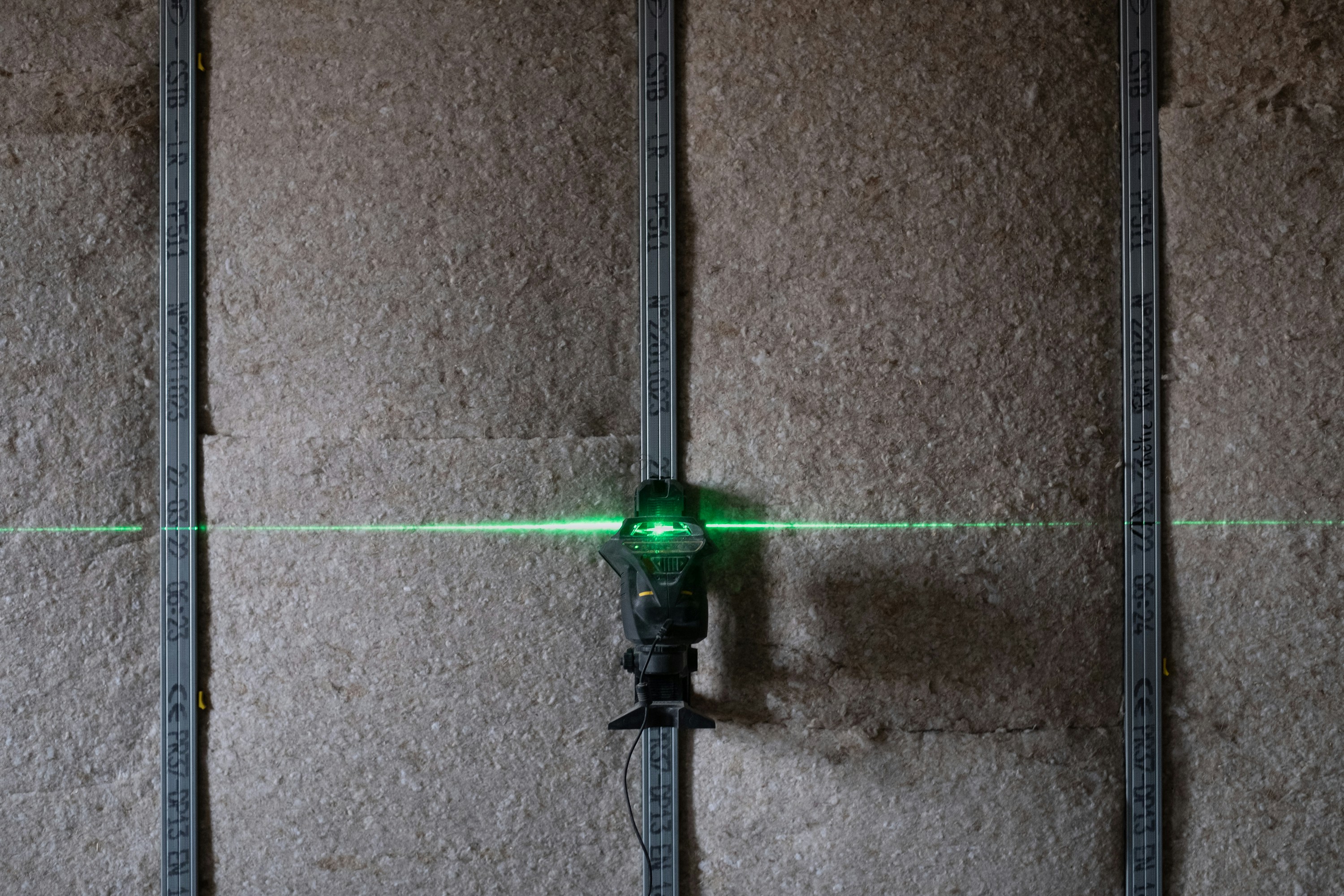
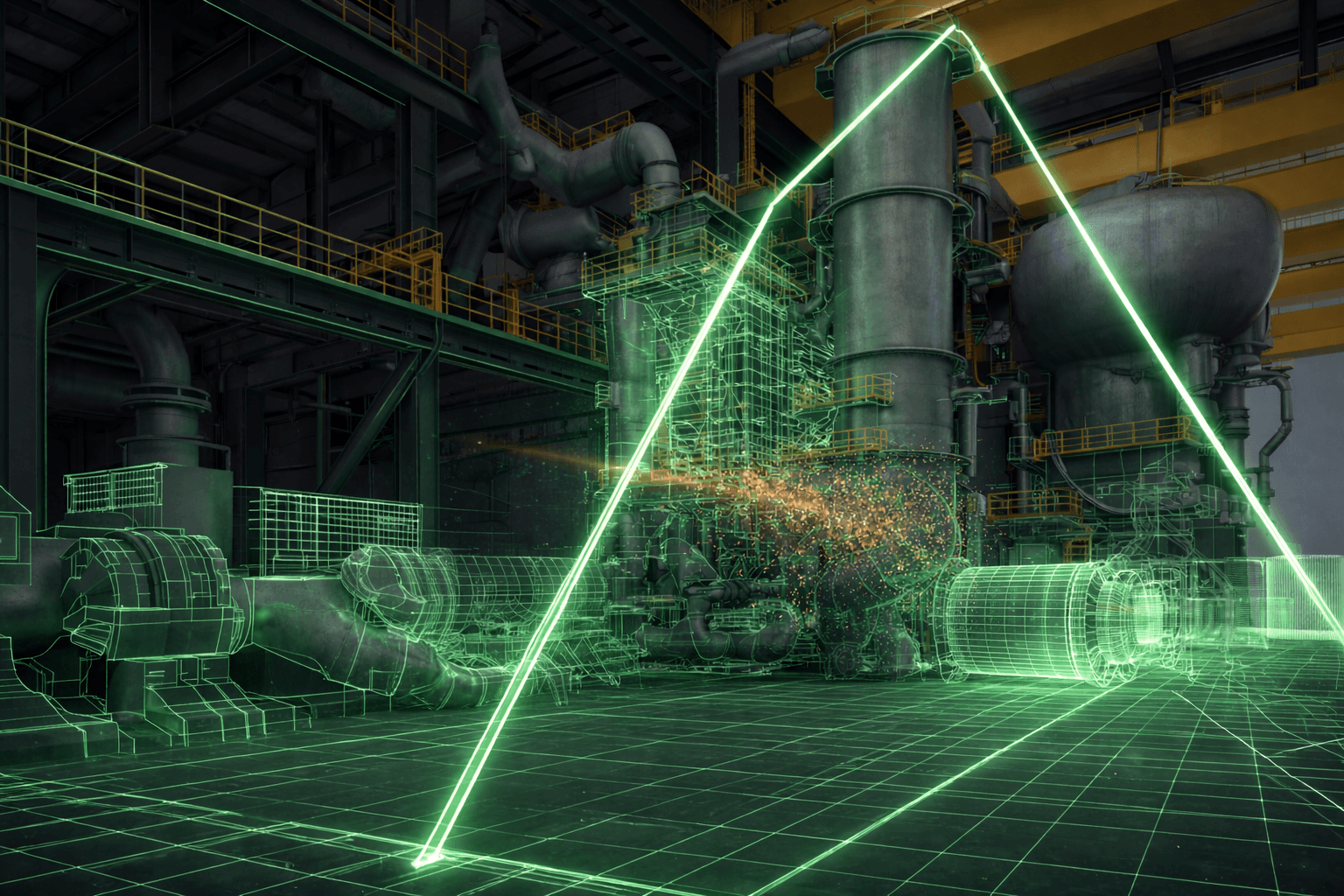
A laser scanner emits thousands or even millions of laser beams toward surrounding surfaces. When these beams hit an object, they reflect back to the scanner. By calculating the distance between the scanner and the object, the device records precise spatial coordinates.
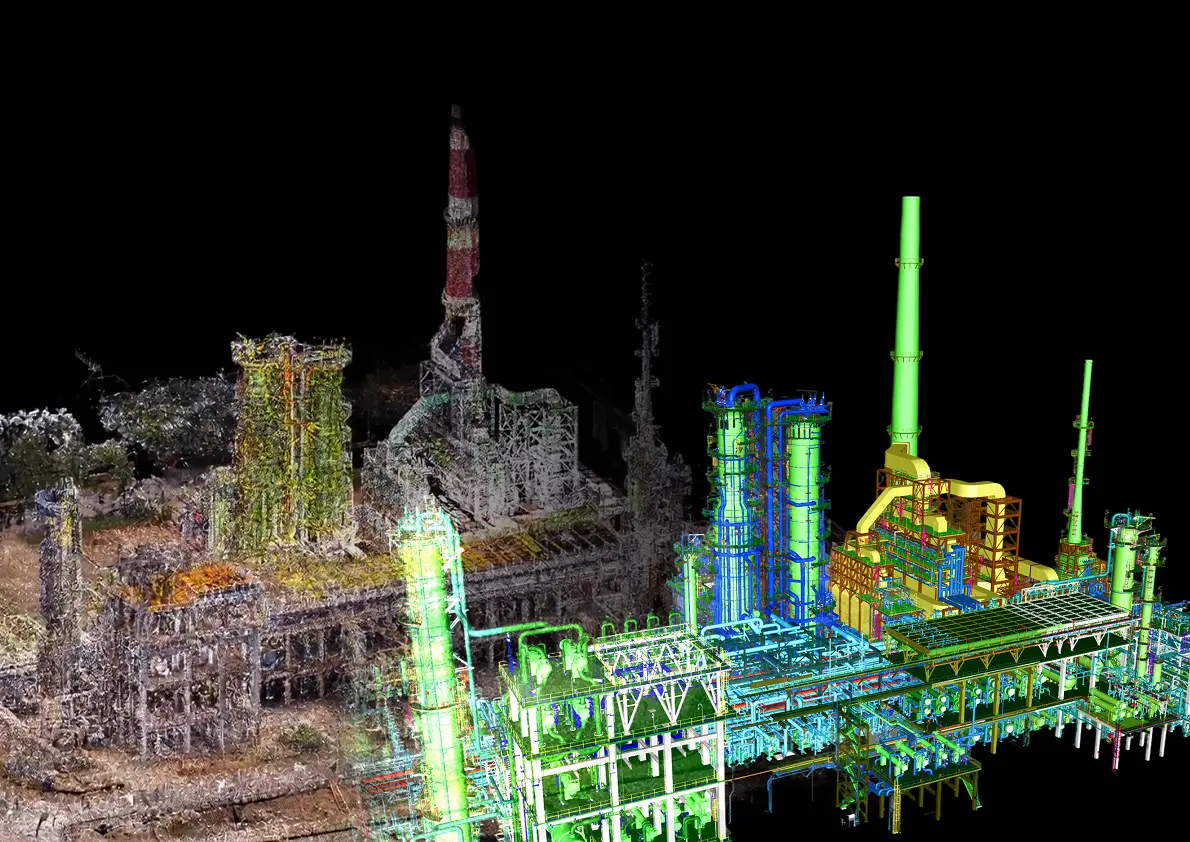
The result is a collection of millions of data points called a point cloud. Each point represents a specific location in 3D space and contains X, Y, and Z coordinates.
These point clouds are then processed using specialized software to create:
Accurate 3D CAD models
Digital plant layouts
Engineering drawings
Inspection reports
Digital twins
This makes industrial 3D laser scanning one of the most powerful technologies for capturing real-world environments and converting them into precise digital assets.
Companies offering 3D laser scanning services often combine this technology with dimensional engingeerin, digital mapping, and reverse engineering services to support complex industrial projects
What is 3D Laser Scanning?
3D laser scanning is an advanced technology used to capture the exact shape, size, and spatial details of physical objects or environments by using laser beams.
A laser scanner emits thousands or even millions of laser beams toward surrounding surfaces. When these beams hit an object, they reflect back to the scanner. By calculating the distance between the scanner and the object, the device records precise spatial coordinates.
The result is a collection of millions of data points called a point cloud. Each point represents a specific location in 3D space and contains X, Y, and Z coordinates.
These point clouds are then processed using specialized software to create:
Accurate 3D CAD models
Digital plant layouts
Engineering drawings
Inspection reports
Digital twins
This makes industrial 3D laser scanning one of the most powerful technologies for capturing real-world environments and converting them into precise digital assets.
Companies offering 3D laser scanning services often combine this technology with dimensional engingeerin, digital mapping, and reverse engineering services to support complex industrial projects
How Does 3D Laser Scanning Work?
Although the technology behind laser scanning is advanced, the process itself can be explained in a few clear steps.
1. Laser Emission
The first step involves placing a 3D laser scanner at a specific location within the environment that needs to be scanned.
The scanner emits a laser beam that rotates both horizontally and vertically, allowing it to capture the entire surrounding area. This enables the scanner to collect data from all directions, including equipment, walls, structures, pipes, and machinery.
Modern scanners can capture millions of measurement points per second, making the process extremely fast compared to traditional measurement methods.
2. Distance Measurement
When the laser beam hits a surface, it reflects back to the scanner. The scanner measures how long it takes for the laser beam to return.
There are two main methods used for this measurement:
Time-of-Flight (ToF)
The scanner measures the time taken for the laser beam to travel to the object and back.
Phase Shift Technology
The scanner measures changes in the phase of the returning laser beam to calculate distance.
Both methods provide extremely precise distance measurements, often within millimeter-level accuracy.
This precision is one of the key reasons why industrial 3D scanning is widely used in sectors where even small measurement errors can cause major engineering problems.
3. Point Cloud Data Collection
As the scanner continues to emit laser beams, it records millions of measurement points. These points collectively form a dataset called a point cloud.
A point cloud contains:
X coordinate
Y coordinate
Z coordinate
Distance from the scanner
Sometimes color or intensity data
When visualized in specialized software, the point cloud forms a highly detailed digital representation of the scanned environment.
For example, if a power plant facility is scanned using industrial laser scanning, the point cloud will accurately capture every pipe, machine, structure, and component within the facility.
This level of detail is extremely valuable for plant engineering, inspection, and maintenance projects.
4. Data Processing and Registration
Because large industrial sites cannot usually be captured from a single scanner position, engineers perform multiple scans from different locations.
These scans are then registered or aligned together using specialized software to create a single unified point cloud model.
During this stage, engineers may also:
Remove noise or irrelevant data
Align scan positions
Improve accuracy
Colorize the point cloud
Once processing is complete, the data becomes ready for engineering analysis and modeling.
5. Creation of 3D Models and Engineering Outputs
After the point cloud data is processed, it can be converted into useful engineering outputs.
These outputs may include:
3D CAD models
Plant layout models
BIM models
Inspection reports
Digital twins
Engineering teams often use these models to plan modifications, detect installation errors, or design upgrades.
For example, when performing reverse engineering services, engineers can scan an existing component and recreate its digital design even if the original drawings are not available.
This capability is especially useful in industries where spare parts or legacy equipment documentation is missing.
How Does 3D Laser Scanning Work?
Although the technology behind laser scanning is advanced, the process itself can be explained in a few clear steps.
1. Laser Emission
The first step involves placing a 3D laser scanner at a specific location within the environment that needs to be scanned.
The scanner emits a laser beam that rotates both horizontally and vertically, allowing it to capture the entire surrounding area. This enables the scanner to collect data from all directions, including equipment, walls, structures, pipes, and machinery.
Modern scanners can capture millions of measurement points per second, making the process extremely fast compared to traditional measurement methods.
2. Distance Measurement
When the laser beam hits a surface, it reflects back to the scanner. The scanner measures how long it takes for the laser beam to return.
There are two main methods used for this measurement:
Time-of-Flight (ToF)
The scanner measures the time taken for the laser beam to travel to the object and back.
Phase Shift Technology
The scanner measures changes in the phase of the returning laser beam to calculate distance.
Both methods provide extremely precise distance measurements, often within millimeter-level accuracy.
This precision is one of the key reasons why industrial 3D scanning is widely used in sectors where even small measurement errors can cause major engineering problems.
3. Point Cloud Data Collection
As the scanner continues to emit laser beams, it records millions of measurement points. These points collectively form a dataset called a point cloud.
A point cloud contains:
X coordinate
Y coordinate
Z coordinate
Distance from the scanner
Sometimes color or intensity data
When visualized in specialized software, the point cloud forms a highly detailed digital representation of the scanned environment.
For example, if a power plant facility is scanned using industrial laser scanning, the point cloud will accurately capture every pipe, machine, structure, and component within the facility.
This level of detail is extremely valuable for plant engineering, inspection, and maintenance projects.
4. Data Processing and Registration
Because large industrial sites cannot usually be captured from a single scanner position, engineers perform multiple scans from different locations.
These scans are then registered or aligned together using specialized software to create a single unified point cloud model.
During this stage, engineers may also:
Remove noise or irrelevant data
Align scan positions
Improve accuracy
Colorize the point cloud
Once processing is complete, the data becomes ready for engineering analysis and modeling.
5. Creation of 3D Models and Engineering Outputs
After the point cloud data is processed, it can be converted into useful engineering outputs.
These outputs may include:
3D CAD models
Plant layout models
BIM models
Inspection reports
Digital twins
Engineering teams often use these models to plan modifications, detect installation errors, or design upgrades.
For example, when performing reverse engineering services, engineers can scan an existing component and recreate its digital design even if the original drawings are not available.
This capability is especially useful in industries where spare parts or legacy equipment documentation is missing.
Benefits of 3D Laser Scanning in Industrial Projects
The adoption of 3D laser scanning services has increased significantly because of the major advantages it offers over traditional measurement techniques.
Exceptional Accuracy
Laser scanners provide millimeter-level precision, ensuring that engineering measurements are extremely reliable.
In industries such as power plants, steel manufacturing, and oil & gas, even small inaccuracies can lead to costly installation problems.
Using dimensional engineering and 3D scanning helps eliminate these risks.
Faster Data Capture
Traditional measurement methods may take days or even weeks to document large industrial environments.
With industrial laser scanning, engineers can capture millions of measurements within minutes.
This significantly reduces project timelines and enables faster decision-making.
Reduced Human Error
Manual measurements often depend on human observation and physical measurement tools.
Laser scanning automates the process, reducing the likelihood of human error and improving measurement consistency.
Improved Safety
Industrial facilities often contain hazardous or hard-to-reach areas.
3D scanning allows engineers to capture detailed data without physically accessing dangerous locations, improving workplace safety.
Better Project Planning
When engineers have access to highly accurate digital models, they can simulate modifications and installations before performing actual work on-site.
This improves planning accuracy and reduces costly rework.
Benefits of 3D Laser Scanning in Industrial Projects
The adoption of 3D laser scanning services has increased significantly because of the major advantages it offers over traditional measurement techniques.
Exceptional Accuracy
Laser scanners provide millimeter-level precision, ensuring that engineering measurements are extremely reliable.
In industries such as power plants, steel manufacturing, and oil & gas, even small inaccuracies can lead to costly installation problems.
Using dimensional engineering and 3D scanning helps eliminate these risks.
Faster Data Capture
Traditional measurement methods may take days or even weeks to document large industrial environments.
With industrial laser scanning, engineers can capture millions of measurements within minutes.
This significantly reduces project timelines and enables faster decision-making.
Reduced Human Error
Manual measurements often depend on human observation and physical measurement tools.
Laser scanning automates the process, reducing the likelihood of human error and improving measurement consistency.
Improved Safety
Industrial facilities often contain hazardous or hard-to-reach areas.
3D scanning allows engineers to capture detailed data without physically accessing dangerous locations, improving workplace safety.
Better Project Planning
When engineers have access to highly accurate digital models, they can simulate modifications and installations before performing actual work on-site.
This improves planning accuracy and reduces costly rework.
Applications of 3D Laser Scanning
3D laser scanning has a wide range of applications across different industries.
Industrial Plant Engineering
Engineers use industrial 3D scanning to capture detailed plant layouts and equipment configurations.
This information is essential for plant upgrades, maintenance planning, and expansion projects.
Reverse Engineering
When original engineering drawings are unavailable, reverse engineering services use laser scanning to capture the geometry of existing components.
The scanned data can then be used to recreate CAD models and manufacturing drawings.
Dimensional Inspection
Laser scanning enables engineers to verify whether equipment installations match the intended design.
This is particularly useful for dimensional engineering projects, where precise alignment and positioning are critical.
Infrastructure and Construction
3D scanning is widely used in construction and infrastructure projects to capture site conditions and create accurate digital models.
This helps engineers and architects design structures that fit perfectly within existing environments.
Applications of 3D Laser Scanning
3D laser scanning has a wide range of applications across different industries.
Industrial Plant Engineering
Engineers use industrial 3D scanning to capture detailed plant layouts and equipment configurations.
This information is essential for plant upgrades, maintenance planning, and expansion projects.
Reverse Engineering
When original engineering drawings are unavailable, reverse engineering services use laser scanning to capture the geometry of existing components.
The scanned data can then be used to recreate CAD models and manufacturing drawings.
Dimensional Inspection
Laser scanning enables engineers to verify whether equipment installations match the intended design.
This is particularly useful for dimensional engineering projects, where precise alignment and positioning are critical.
Infrastructure and Construction
3D scanning is widely used in construction and infrastructure projects to capture site conditions and create accurate digital models.
This helps engineers and architects design structures that fit perfectly within existing environments.
Why Industries Are Adopting 3D Laser Scanning
As industries move toward digital transformation and smart engineering, technologies like 3D scanning play a critical role in improving operational efficiency.
Organizations are increasingly adopting industrial 3D laser scanning services because they enable:
Faster project execution
Better engineering accuracy
Reduced operational risks
Improved asset documentation
Digital transformation of industrial facilities
By integrating 3D scanning, dimensional engineering, and reverse engineering services, companies can build accurate digital representations of their assets and improve long-term maintenance planning.
Why Industries Are Adopting 3D Laser Scanning
As industries move toward digital transformation and smart engineering, technologies like 3D scanning play a critical role in improving operational efficiency.
Organizations are increasingly adopting industrial 3D laser scanning services because they enable:
Faster project execution
Better engineering accuracy
Reduced operational risks
Improved asset documentation
Digital transformation of industrial facilities
By integrating 3D scanning, dimensional engineering, and reverse engineering services, companies can build accurate digital representations of their assets and improve long-term maintenance planning.