The architecture, engineering, and construction (AEC) industry is undergoing a major digital transformation. One of the most impactful technologies driving this change is 3D scanning. By capturing real-world conditions with unmatched accuracy, 3D scanning is revolutionizing how architects design, plan, and execute projects.
When combined with Building Information Modeling (BIM), 3D scanning enables a seamless transition from physical environments to intelligent digital models. This powerful combination enhances collaboration, reduces errors, and improves project outcomes.
In this article, we’ll explore how 3D scanning is used in architecture and BIM, its benefits, workflows, and real-world applications.
What is 3D Scanning in Architecture?
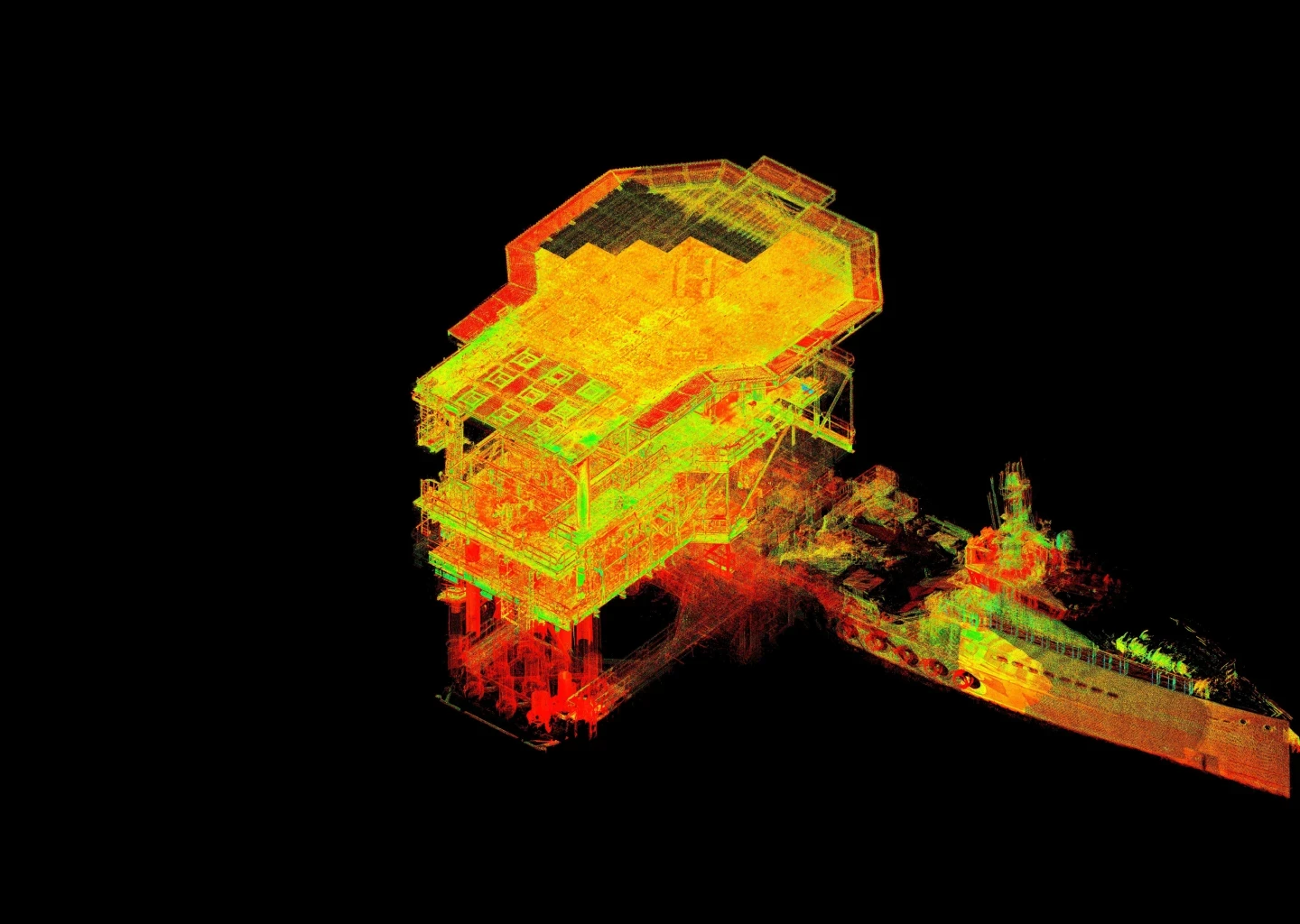
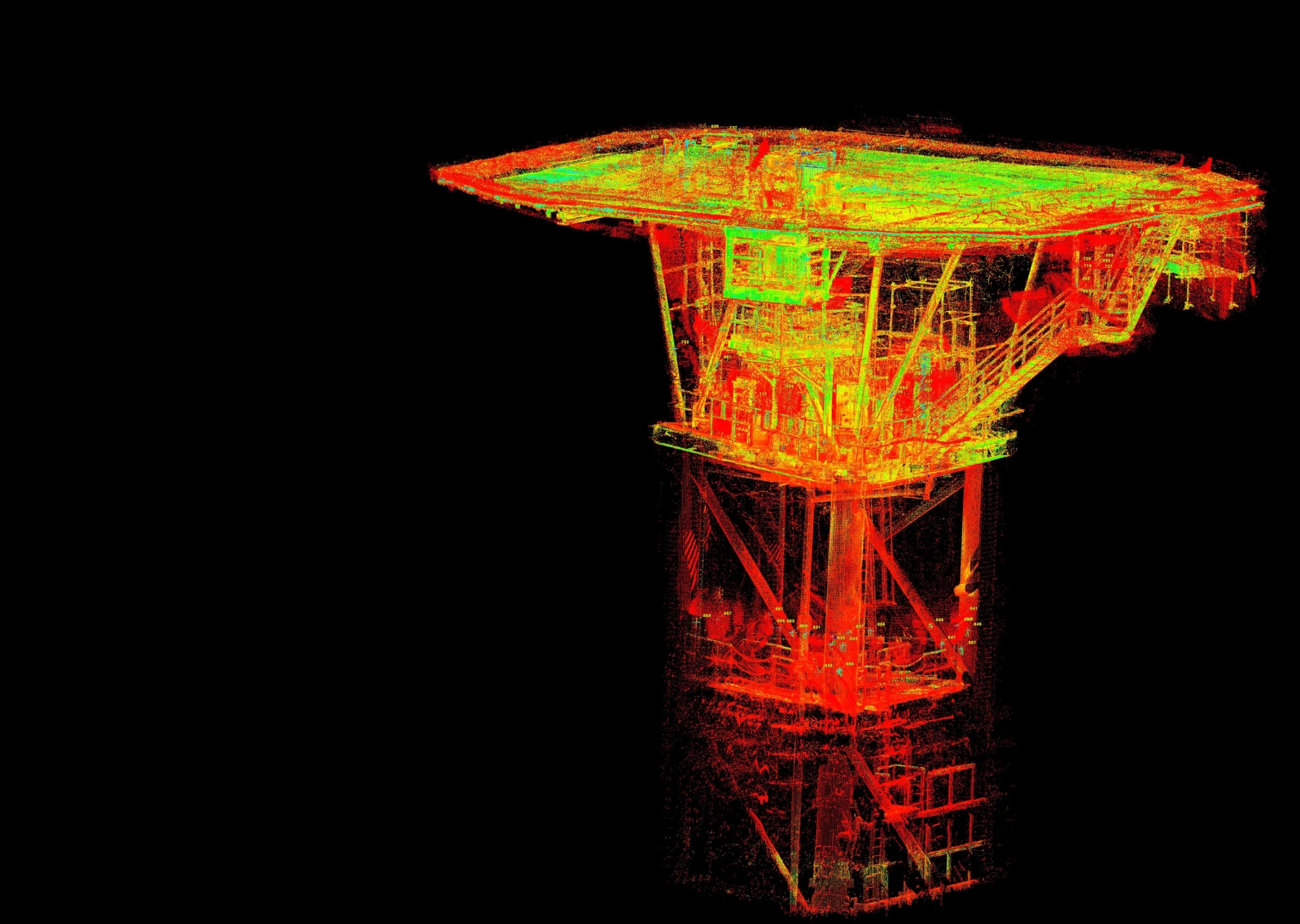
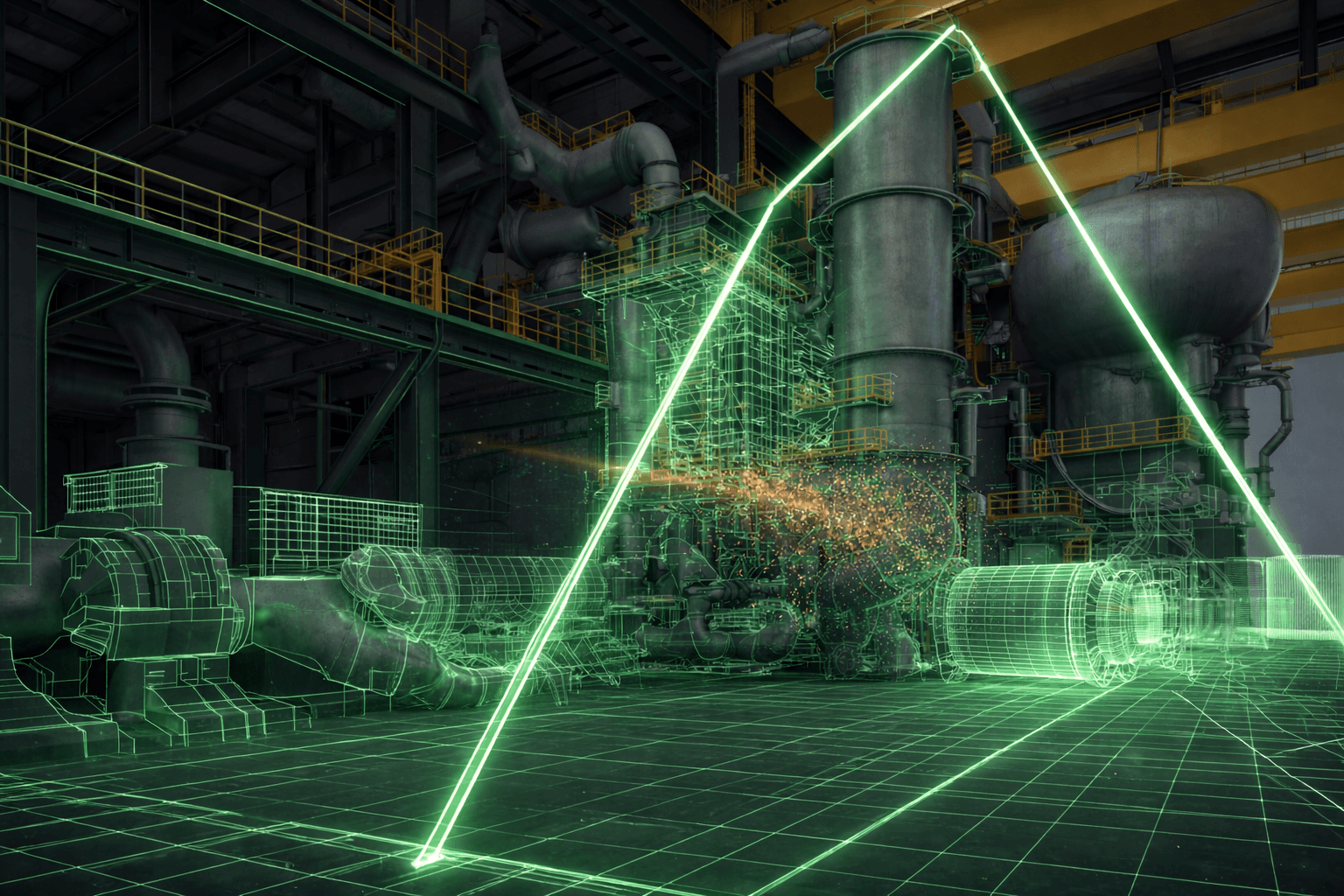
3D scanning is a process that captures the physical dimensions and geometry of a structure using laser or optical technology. The result is a point cloud—a dense collection of data points that represent surfaces and objects in 3D space.
Architects and designers use this data to:
Create accurate 3D models
Analyze existing structures
Plan renovations or new designs
This eliminates the need for manual measurements and ensures precision at every stage of the project.
Understanding BIM (Building Information Modeling)
Building Information Modeling (BIM) is a digital representation of the physical and functional characteristics of a building. Unlike traditional drawings, BIM models contain rich data that supports decision-making throughout the project lifecycle.
BIM enables:
Better collaboration among stakeholders
Real-time updates and coordination
Improved visualization and planning
When 3D scanning data is integrated into BIM, it creates a highly accurate and data-rich model of existing conditions.
The architecture, engineering, and construction (AEC) industry is undergoing a major digital transformation. One of the most impactful technologies driving this change is 3D scanning. By capturing real-world conditions with unmatched accuracy, 3D scanning is revolutionizing how architects design, plan, and execute projects.
When combined with Building Information Modeling (BIM), 3D scanning enables a seamless transition from physical environments to intelligent digital models. This powerful combination enhances collaboration, reduces errors, and improves project outcomes.
In this article, we’ll explore how 3D scanning is used in architecture and BIM, its benefits, workflows, and real-world applications.
What is 3D Scanning in Architecture?
3D scanning is a process that captures the physical dimensions and geometry of a structure using laser or optical technology. The result is a point cloud—a dense collection of data points that represent surfaces and objects in 3D space.
Architects and designers use this data to:
Create accurate 3D models
Analyze existing structures
Plan renovations or new designs
This eliminates the need for manual measurements and ensures precision at every stage of the project.
Understanding BIM (Building Information Modeling)
Building Information Modeling (BIM) is a digital representation of the physical and functional characteristics of a building. Unlike traditional drawings, BIM models contain rich data that supports decision-making throughout the project lifecycle.
BIM enables:
Better collaboration among stakeholders
Real-time updates and coordination
Improved visualization and planning
When 3D scanning data is integrated into BIM, it creates a highly accurate and data-rich model of existing conditions.
How 3D Scanning Integrates with BIM (Scan-to-BIM)
The integration of 3D scanning with BIM is commonly known as the Scan-to-BIM process.
Workflow:
Data Capture
Laser scanners capture site data in the form of point clouds.Data Processing
Multiple scans are aligned and cleaned to create a unified dataset.Model Creation
The point cloud is converted into a BIM model using specialized software.Validation & Analysis
The BIM model is used for design validation, clash detection, and planning.
How 3D Scanning Integrates with BIM (Scan-to-BIM)
The integration of 3D scanning with BIM is commonly known as the Scan-to-BIM process.
Workflow:
Data Capture
Laser scanners capture site data in the form of point clouds.Data Processing
Multiple scans are aligned and cleaned to create a unified dataset.Model Creation
The point cloud is converted into a BIM model using specialized software.Validation & Analysis
The BIM model is used for design validation, clash detection, and planning.
Key Benefits of 3D Scanning in Architecture & BIM
1. Unmatched Accuracy
3D scanning provides millimeter-level precision, ensuring that architectural designs are based on real-world data.
Eliminates guesswork
Reduces design errors
Ensures accurate documentation
2. Faster Project Execution
Traditional surveying methods are time-consuming. 3D scanning significantly reduces the time required to capture site data.
Faster data collection
Quick model generation
Reduced project timelines
3. Improved Design Visualization
With accurate 3D models, architects can visualize projects more effectively.
Better client presentations
Realistic renderings
Enhanced design decisions
4. Reduced Rework and Costs
Errors in construction can be costly. 3D scanning helps identify issues early in the design phase.
Minimize rework
Reduce material wastage
Improve budget control
5. Seamless Collaboration
BIM models created from 3D scans enable better collaboration between architects, engineers, and contractors.
Centralized data
Real-time updates
Improved communication
6. Enhanced Renovation and Retrofitting
For renovation projects, accurate existing condition data is crucial.
Capture complex structures
Plan modifications effectively
Preserve design integrity
Key Benefits of 3D Scanning in Architecture & BIM
1. Unmatched Accuracy
3D scanning provides millimeter-level precision, ensuring that architectural designs are based on real-world data.
Eliminates guesswork
Reduces design errors
Ensures accurate documentation
2. Faster Project Execution
Traditional surveying methods are time-consuming. 3D scanning significantly reduces the time required to capture site data.
Faster data collection
Quick model generation
Reduced project timelines
3. Improved Design Visualization
With accurate 3D models, architects can visualize projects more effectively.
Better client presentations
Realistic renderings
Enhanced design decisions
4. Reduced Rework and Costs
Errors in construction can be costly. 3D scanning helps identify issues early in the design phase.
Minimize rework
Reduce material wastage
Improve budget control
5. Seamless Collaboration
BIM models created from 3D scans enable better collaboration between architects, engineers, and contractors.
Centralized data
Real-time updates
Improved communication
6. Enhanced Renovation and Retrofitting
For renovation projects, accurate existing condition data is crucial.
Capture complex structures
Plan modifications effectively
Preserve design integrity
Use Cases of 3D Scanning in Architecture & BIM
1. As-Built Modeling
3D scanning is widely used to create as-built BIM models of existing structures.
This is essential for:
Renovations
Facility upgrades
Documentation
2. Heritage Conservation
Preserving historical structures requires high precision. 3D scanning helps capture intricate details without damaging the structure.
Digital preservation
Accurate restoration planning
Long-term documentation
3. Clash Detection
By integrating scanned data into BIM, teams can identify clashes between different building systems.
Avoid construction conflicts
Improve coordination
Save time and costs
4. Construction Verification
3D scanning ensures that construction aligns with design specifications.
Quality control
Deviation detection
Compliance assurance
5. Interior Design and Space Planning
Architects use 3D scanning to capture interior spaces for better design planning.
Accurate layouts
Furniture placement
Space optimization
6. Facility Management
Post-construction, BIM models created from 3D scans can be used for facility management.
Maintenance planning
Asset tracking
Lifecycle management
Use Cases of 3D Scanning in Architecture & BIM
1. As-Built Modeling
3D scanning is widely used to create as-built BIM models of existing structures.
This is essential for:
Renovations
Facility upgrades
Documentation
2. Heritage Conservation
Preserving historical structures requires high precision. 3D scanning helps capture intricate details without damaging the structure.
Digital preservation
Accurate restoration planning
Long-term documentation
3. Clash Detection
By integrating scanned data into BIM, teams can identify clashes between different building systems.
Avoid construction conflicts
Improve coordination
Save time and costs
4. Construction Verification
3D scanning ensures that construction aligns with design specifications.
Quality control
Deviation detection
Compliance assurance
5. Interior Design and Space Planning
Architects use 3D scanning to capture interior spaces for better design planning.
Accurate layouts
Furniture placement
Space optimization
6. Facility Management
Post-construction, BIM models created from 3D scans can be used for facility management.
Maintenance planning
Asset tracking
Lifecycle management
Real-World Applications
Commercial Buildings
3D scanning helps architects design and manage complex commercial spaces with high accuracy.
Residential Projects
From apartments to villas, 3D scanning ensures precise measurements and better design execution.
Industrial Facilities
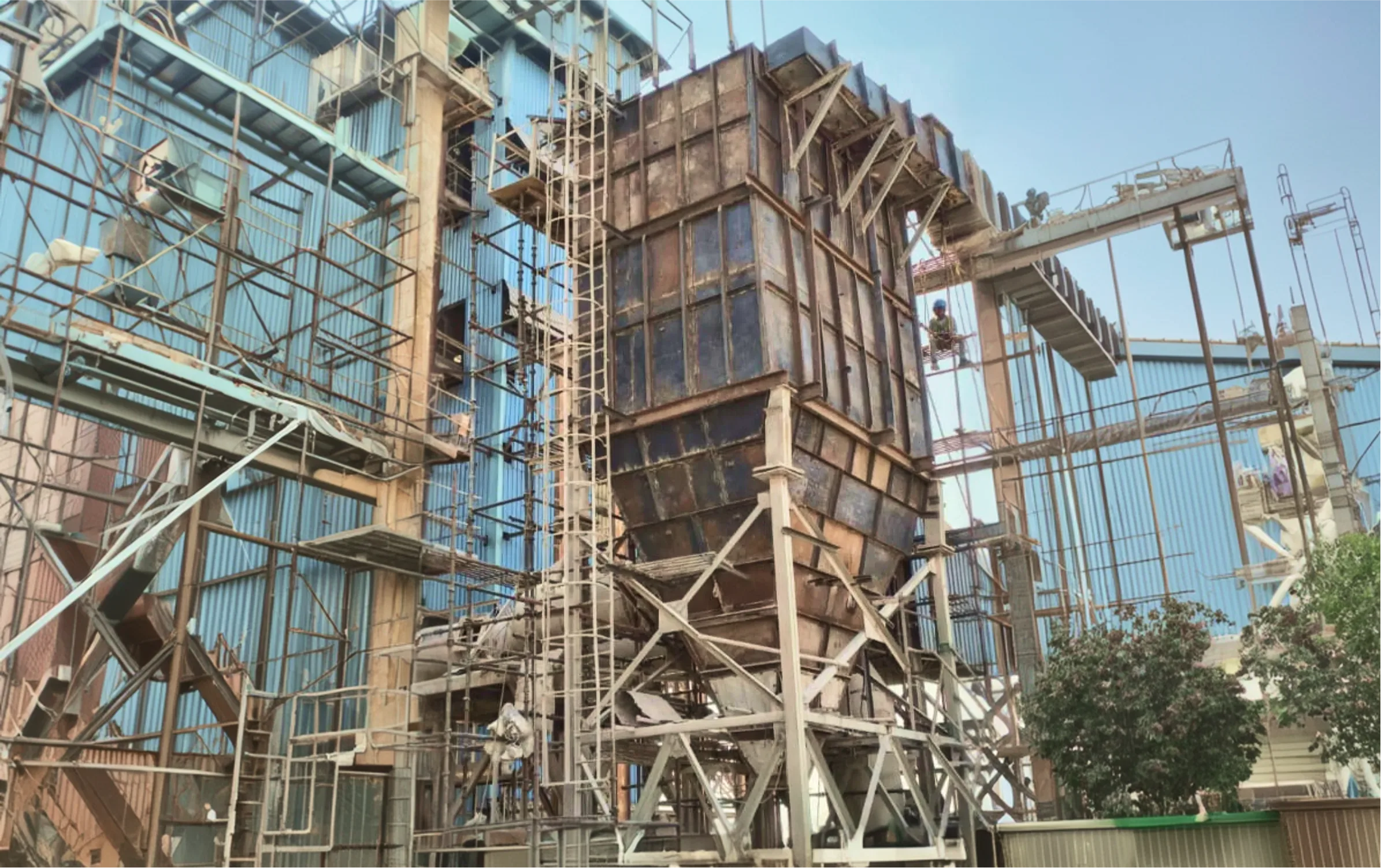
In industrial environments, accurate data is crucial for equipment placement and safety.
Infrastructure Projects
Large-scale infrastructure projects benefit from detailed site data and efficient planning.
Challenges of 3D Scanning in Architecture & BIM
While 3D scanning offers numerous benefits, there are some challenges:
High initial investment
Data processing complexity
Need for skilled professionals
However, the long-term benefits far outweigh these challenges.
Real-World Applications
Commercial Buildings
3D scanning helps architects design and manage complex commercial spaces with high accuracy.
Residential Projects
From apartments to villas, 3D scanning ensures precise measurements and better design execution.
Industrial Facilities
In industrial environments, accurate data is crucial for equipment placement and safety.
Infrastructure Projects
Large-scale infrastructure projects benefit from detailed site data and efficient planning.
Challenges of 3D Scanning in Architecture & BIM
While 3D scanning offers numerous benefits, there are some challenges:
High initial investment
Data processing complexity
Need for skilled professionals
However, the long-term benefits far outweigh these challenges.
Why Choose SixD India for 3D Scanning & BIM Services?
At SixD India, we bring expertise, precision, and innovation to every project.
Our Capabilities:
Advanced 3D laser scanning
Scan-to-BIM services
As-built modeling
Architectural and infrastructure solutions
Why Clients Trust Us:
High accuracy and reliability
Experienced team
Latest technology
Timely delivery
We help architects and construction professionals transform their workflows with cutting-edge solutions.
Future of 3D Scanning in Architecture & BIM
The future of architecture lies in digital integration, and 3D scanning is at the core of this transformation.
Emerging Trends:
Digital twins
AI-powered modeling
Real-time scanning
Cloud-based collaboration
As these technologies evolve, 3D scanning will become an essential part of every architectural project.
Conclusion
3D scanning is redefining architecture and BIM by providing accurate, efficient, and data-driven solutions. From capturing existing conditions to enabling advanced modeling and collaboration, its impact is significant.
By integrating 3D scanning with BIM, architects can:
Improve accuracy
Enhance design quality
Reduce costs
Deliver projects faster
For firms looking to stay competitive in today’s digital era, adopting 3D scanning is not just an option—it’s a necessity.
Why Choose SixD India for 3D Scanning & BIM Services?
At SixD India, we bring expertise, precision, and innovation to every project.
Our Capabilities:
Advanced 3D laser scanning
Scan-to-BIM services
As-built modeling
Architectural and infrastructure solutions
Why Clients Trust Us:
High accuracy and reliability
Experienced team
Latest technology
Timely delivery
We help architects and construction professionals transform their workflows with cutting-edge solutions.
Future of 3D Scanning in Architecture & BIM
The future of architecture lies in digital integration, and 3D scanning is at the core of this transformation.
Emerging Trends:
Digital twins
AI-powered modeling
Real-time scanning
Cloud-based collaboration
As these technologies evolve, 3D scanning will become an essential part of every architectural project.
Conclusion
3D scanning is redefining architecture and BIM by providing accurate, efficient, and data-driven solutions. From capturing existing conditions to enabling advanced modeling and collaboration, its impact is significant.
By integrating 3D scanning with BIM, architects can:
Improve accuracy
Enhance design quality
Reduce costs
Deliver projects faster
For firms looking to stay competitive in today’s digital era, adopting 3D scanning is not just an option—it’s a necessity.
FAQs
1. What is Scan-to-BIM?
Scan-to-BIM is the process of converting 3D scan data into BIM models for design and construction.
2. How accurate is 3D scanning?
It offers millimeter-level accuracy, depending on the equipment used.
3. Is 3D scanning suitable for small projects?
Yes, it can be used for projects of all sizes.
4. What software is used in BIM?
Popular BIM software includes Revit, AutoCAD, and Navisworks.
FAQs
1. What is Scan-to-BIM?
Scan-to-BIM is the process of converting 3D scan data into BIM models for design and construction.
2. How accurate is 3D scanning?
It offers millimeter-level accuracy, depending on the equipment used.
3. Is 3D scanning suitable for small projects?
Yes, it can be used for projects of all sizes.
4. What software is used in BIM?
Popular BIM software includes Revit, AutoCAD, and Navisworks.
Share Insights